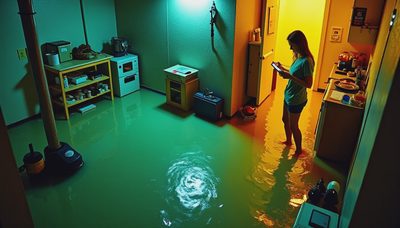

The storm has passed. Power may still be out. Debris is scattered across the yard. The impulse is either to climb onto the roof immediately or to wait for someone else to handle everything. Both extremes create problems. A structured ground-level inspection, done safely and documented thoroughly, gives you the information needed to protect the house, support a claim, and decide what professional help to call first.
Safety First: What Not to Do
Do not walk on a wet, debris-covered, or visibly damaged roof. Do not enter an attic if the ceiling shows active dripping or sagging. Do not touch downed power lines or attempt to remove large limbs that are still attached to the structure. The goal of the first inspection is information, not repair.
Work from the ground with binoculars or a phone camera’s zoom. If a drone is available and local rules allow it, it can provide useful overhead views without anyone leaving the ground. Keep children and pets away from debris and standing water.
Exterior Ground-Level Checklist
Walk the full perimeter of the house slowly. Look at every roof slope, the ridges, the valleys, the eaves, and the penetrations.
Roof Surface
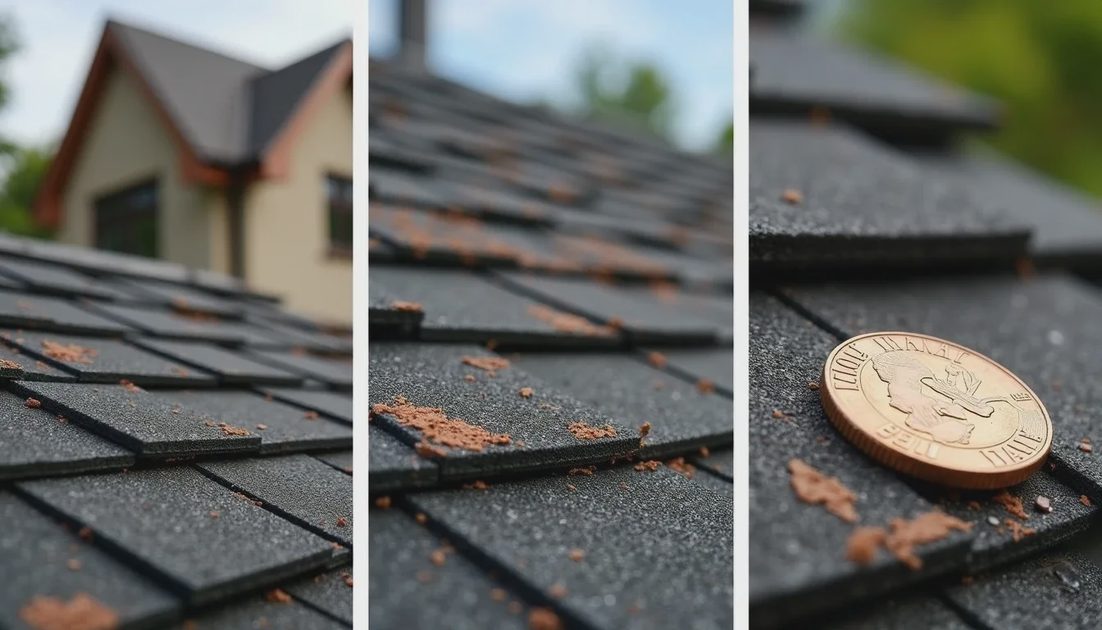
Missing, creased, or lifted shingles
Exposed underlayment or bare deck
Dark bruises or granule loss patterns (especially after hail)
Displaced or cracked ridge-cap pieces
Debris still sitting on the surface (branches, shingles from neighboring roofs)
Edges, Flashing, and Penetrations
Bent, lifted, or missing flashing at chimneys, walls, skylights, and vent pipes
Damaged or missing drip edge
Separated or open valleys
Soft or uneven areas along the eaves that suggest fascia or deck problems
Gutters, Soft Metals, and Collateral Damage
Dented, pulled, or hanging gutters and downspouts
Granule piles at the base of downspouts
Dents on window frames, screens, AC units, or other soft-metal surfaces (useful corroboration of hail intensity)
Impact marks or cracks on siding near the roofline
Note the direction the storm came from. Damage is often heavier on the windward or hail-facing elevations. That pattern helps both contractors and adjusters understand the event.
Interior and Attic Checks
Exterior damage does not always produce immediate interior symptoms. Checking inside early still matters.
Ceilings and Walls
Look for new water stains, bubbling paint, or soft drywall, especially on the top floor beneath roof valleys, chimneys, and exterior walls. Fresh stains often appear darker or have yellow-brown edges.
Attic (If Safe to Enter)
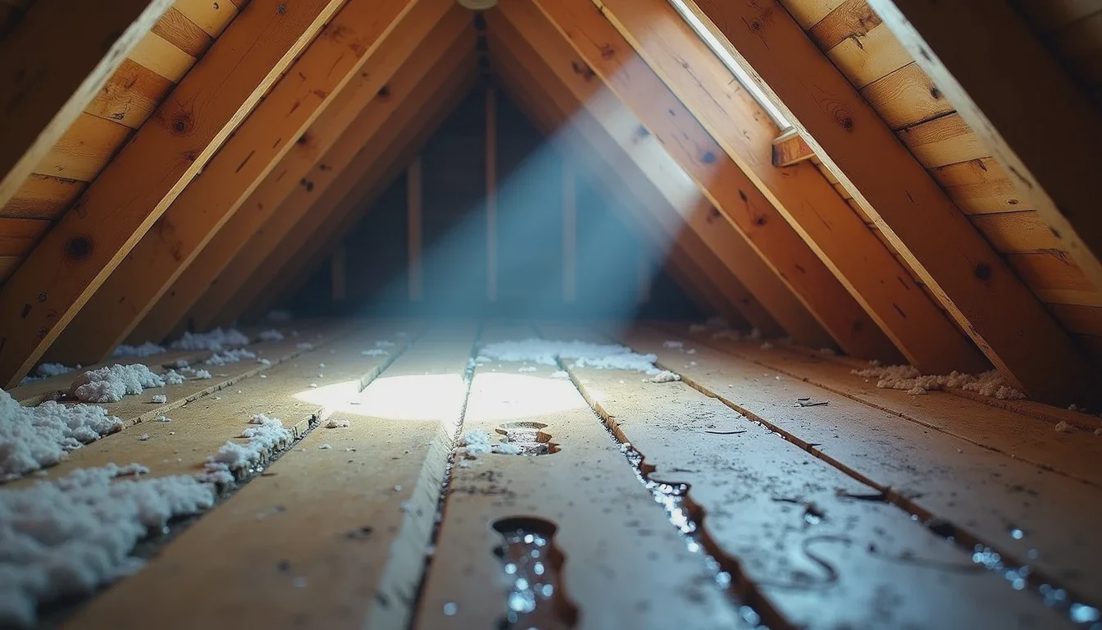
Use a flashlight. Look for daylight coming through the roof deck, wet or compressed insulation, water staining on the underside of the sheathing, and any damp odor. Do not step off the joists onto insulation or drywall.
Record the location of every finding relative to the exterior damage you already noted. A stain beneath a valley or a chimney is more significant than an isolated mark in the middle of a room.
What to Photograph and How
Photographs are the backbone of both the claim and the contractor conversation. Quantity and clarity matter more than artistic quality.
Recommended Shot List
Wide shots of every elevation of the house, including the roof and the ground around the foundation
Medium shots of each roof slope from ground level or from a safe elevated position
Close-ups of every area of visible damage (missing shingles, creases, bruises, lifted flashing)
Scale references—place a coin, ruler, or tape measure next to impact marks and small details
Gutters, downspouts, and soft-metal surfaces showing dents or displacement
Interior stains, attic moisture, and any active drips
Debris that struck the house (fallen limbs, neighboring shingles) with context shots showing where they landed
Overview video walking the perimeter while briefly narrating what you see
Enable timestamps and location data on your phone if possible. Take more photos than you think you need. Storage is cheap; missing a critical angle is not.
What to Ask First
Once you have a basic record, the first conversations should be focused and limited.
With a Contractor or Inspector
What can you safely determine from the ground and from the attic?
Is temporary protection (tarp or board-up) needed to prevent further damage?
Based on what is visible, does this look like a repair-level or replacement-level event?
Will you provide a written summary of findings with photos?
With the Insurance Carrier (When You Are Ready to Report)
What is the claim number and who is the assigned adjuster?
What documentation do you need from me at this stage?
Are emergency mitigation expenses covered, and how should receipts be submitted?
What is the expected timeline for an inspection?
Avoid detailed debates about scope or price on the first call. The goal is to open the claim cleanly and to stop further damage.
Organizing the Record
Create a simple folder (digital or physical) that contains:
Storm date, approximate time, and any weather reports you can save
All exterior and interior photographs, labeled by location if possible
Notes from your ground-level walk (which slopes, what types of damage)
Receipts for any emergency materials or temporary repairs
Names and contact information of anyone who has already inspected the property
This file becomes the single source of truth as contractors and adjusters enter the process. It prevents the common problem of later disagreement about what was visible immediately after the storm.
The best post-storm inspection is the one that produces a clear record before memory fades and before weather or temporary repairs alter the evidence.
Practical Path Forward
Wait until conditions are safe. Walk the perimeter with a phone and a notebook. Capture wide, medium, and close-up images of every elevation and every visible anomaly. Check the most vulnerable interior locations. Note the storm direction and any collateral soft-metal evidence. Then decide, based on what you have seen, whether temporary protection is needed and which professionals to call first.
A disciplined first inspection does not replace a professional assessment. It does ensure that the professional assessment—and the eventual claim—starts from a shared, documented understanding of what the storm left behind. That shared understanding is the difference between a claim that moves on facts and one that stalls on competing recollections.