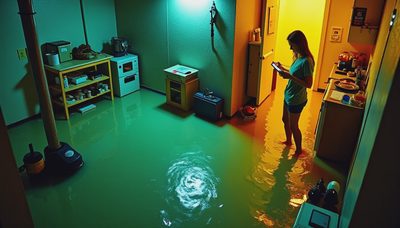
Basement flooding repair should begin with safety, not a rushed cleanup. Water from a severe storm, failed sump pump, burst pipe, or backed-up drain can damage flooring, drywall, insulation, electrical systems, and stored belongings within hours. The right response is to stop the water when possible, document the conditions, contact your insurance company, and bring in qualified professionals before hidden moisture creates mold or structural problems.
Take Immediate Safety Steps
Do not enter standing water if you see electrical outlets, extension cords, appliances, or a damaged electrical panel nearby. Turn off power to the affected area only if you can do so from a dry, safe location. If water is rising quickly, leave the basement and call emergency services or a licensed electrician. Never use a gasoline-powered pump indoors because carbon monoxide can build up rapidly.
If the area is safe, identify the source. A failed sump pump may require a replacement pump or temporary water removal. Rain entering through a foundation crack may point to exterior drainage, grading, gutter, or downspout problems. A plumbing leak needs a plumber, while sewage-contaminated water requires specialized cleanup equipment and protective procedures.
Move undamaged items to a dry location, but do not carry heavy furniture through deep water or handle soaked electronics. Photograph the waterline, affected rooms, damaged materials, and the apparent source before major cleanup begins. A short video showing active leaking or water movement can also help establish the timeline for a claim.
Basement flooding repair professionals often start with extraction, then use commercial air movers and dehumidifiers to dry framing and floor assemblies. Household fans can help with light moisture, but they are not a substitute for measuring moisture inside walls, subfloors, and insulation.

Understand What Insurance May Cover
Homeowners insurance often covers sudden and accidental water damage, but coverage depends on the cause, policy language, exclusions, and whether the home has a separate flood policy. For example, a burst interior pipe may receive different treatment from groundwater entering after heavy rain. A sewer or drain backup may require an optional endorsement, and surface water flooding is commonly addressed through a separate flood insurance policy.
Call your insurer or agent promptly and ask for a claim number, adjuster contact information, and instructions for emergency mitigation. You generally have a duty to prevent further damage, so reasonable temporary measures such as water extraction, boarding an opening, or placing a tarp over a storm-damaged area can be appropriate. Keep receipts for pumps, equipment rental, hotel stays, emergency labor, and replacement materials.
Do not throw away damaged flooring, drywall, insulation, or personal property until the adjuster or mitigation company has documented it, unless contaminated materials must be removed for health reasons. Photograph each item, record approximate age and purchase price, and create a room-by-room inventory. A contractor can explain repair needs, but the insurer determines coverage under the policy.
Build a Practical Repair Plan
A complete basement flooding repair plan should address both visible damage and the reason water entered. Extraction is only the first stage. The contractor should inspect framing, subflooring, insulation, drywall, baseboards, HVAC equipment, electrical components, and the foundation perimeter. Moisture readings should be taken before reconstruction so wet materials are not sealed behind new walls.
The repair sequence usually follows a straightforward order. First, remove standing water and contaminated contents. Next, separate salvageable materials from items that cannot be safely cleaned. Then dry the structure, clean and disinfect appropriate surfaces, and treat odor sources. After drying is verified, repair plumbing, drainage, roofing, windows, gutters, or foundation entry points. Finally, replace damaged drywall, flooring, trim, paint, and fixtures.
A simple example shows why sequence matters. Replacing a finished basement floor for $3,000 does little good if a clogged downspout continues sending water toward the foundation. Correcting grading, extending downspouts, or repairing a failed sump system may cost $500 to several thousand dollars, but it can prevent the same interior damage from returning.
Get a written scope that identifies demolition, drying equipment, antimicrobial cleaning, reconstruction, permits, disposal, and exclusions. If a proposal only says “repair basement,” it is too vague to compare with another bid or submit to an adjuster.

Estimate Basement Flooding Repair Costs
Costs vary widely based on water depth, contamination, square footage, materials, and whether the basement is finished. Light extraction and drying for a small affected area may run several hundred dollars. A larger finished basement with soaked drywall, insulation, flooring, and contents can reach $5,000 to $20,000 or more. Structural repairs, sewer cleanup, electrical replacement, foundation waterproofing, or extensive mold remediation can push the project higher.
Ask whether the estimate is based on emergency mitigation or full reconstruction. Mitigation removes water and stabilizes the structure; reconstruction restores the room. These are often separate phases and may involve different crews. A low initial estimate can grow when demolition reveals wet insulation, warped subflooring, damaged ductwork, or microbial growth.
Your deductible is the portion of a covered loss you pay before insurance contributes. If expected covered damage is only slightly above the deductible, filing may not offer much financial benefit, although you should still report serious damage and follow policy requirements. Never inflate an inventory or ask a contractor to include unrelated upgrades. Accurate documentation protects the claim and gives you a clearer repair budget.
Choose the Right Contractor
Look for a company with experience in water mitigation and storm-related repairs, not just general remodeling. Ask whether technicians are trained in moisture measurement, extraction, drying, and contaminated-water procedures. Verify licensing requirements in your area, insurance coverage, references, and the company’s physical contact information. A contractor who pressures you to sign immediately or promises that insurance will “pay for everything” deserves caution.
Be careful with assignment-of-benefits or direction-to-pay language. These documents can affect who controls payment, negotiation, and communication with your insurer. Read every page before signing, and do not sign a blank contract. A reputable contractor will explain the scope, emergency pricing, cancellation terms, warranties, and change-order process in plain language.
You can request an estimate from a restoration company and a separate opinion from a plumber, roofer, foundation specialist, or electrician when the source is unclear. The best basement flooding repair proposal connects the cause to the remedy. It should explain why materials must be removed, how dryness will be verified, and what work is necessary to prevent repeat damage.
Prevent Another Basement Flood
After repairs, prevention should focus on the water’s path. Clean gutters, extend downspouts several feet away from the foundation, and confirm that soil slopes away from exterior walls. Test the sump pump before major storms and consider a battery backup or water-powered backup where practical. A high-water alarm can provide an early warning, especially when the basement is rarely occupied.
Inspect window wells, foundation penetrations, exterior hose connections, and nearby drainage areas. If water appears after every heavy storm, ask a qualified professional to evaluate grading, footing drains, waterproofing, and sump discharge. Do not rely on interior paint or sealant as a complete solution when pressure from outside water remains.
Keep digital copies of your policy, receipts, photos, contractor agreements, and final invoices. Update your home inventory after replacing furniture, electronics, appliances, or finished-basement items. If another loss occurs, organized records can shorten the explanation and support a more accurate claim.
Basement flooding repair is most successful when emergency drying, insurance documentation, source correction, and reconstruction are treated as one connected process. Start with safety, preserve evidence, use a detailed written scope, and compare contractors before committing. For severe storm damage or a finished basement loss, contact a qualified restoration team promptly and request an inspection that separates urgent mitigation from permanent repairs.