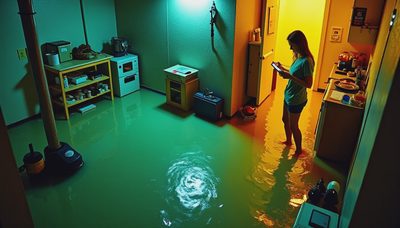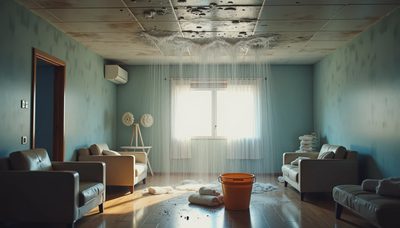
Fire damage restoration starts with safety, documentation, and fast control of secondary damage. After firefighters leave, a home can still contain unstable ceilings, hidden heat damage, smoke residue, and thousands of gallons of water from suppression efforts. Knowing what to do next helps protect your family, preserve evidence for an insurance claim, and prevent a stressful situation from becoming more expensive. This guide explains the practical fire damage restoration process from the first inspection through final repairs.
What to do immediately after a house fire
Do not enter the property until the fire department or another qualified authority says it is safe. A structure can look stable while floor joists, roofing materials, electrical wiring, or supporting walls are weakened. If the home is accessible, take photographs and video from safe areas before cleanup begins. Capture damaged rooms, appliances, cabinets, windows, roofing, siding, and personal property. Avoid moving heavily damaged items unless they create an immediate hazard.
Contact your insurance carrier promptly and ask about emergency services, temporary housing, debris removal, and the claims process. Most homeowners policies include coverage for fire-related damage, but limits, deductibles, exclusions, and additional living expense rules differ. Keep receipts for hotel stays, meals, clothing, storage, locks, and other reasonable costs connected with the loss. Your adjuster may also explain whether the insurer will arrange an emergency contractor or let you select one.

How fire damage restoration addresses more than flames
The visible burn area is only part of the problem. Smoke can travel through wall cavities, attic spaces, ductwork, and insulation. Soot can stain painted surfaces and corrode metal fixtures. Firefighting water can soak flooring, drywall, framing, and personal belongings, creating conditions for mold if extraction and drying are delayed. Strong odors can remain even after surfaces appear clean.
A professional fire damage restoration inspection should identify heat damage, smoke and soot deposits, water intrusion, electrical concerns, structural risks, and salvageable materials. Technicians may use air movers, dehumidifiers, extraction equipment, HEPA filtration, odor-control treatments, and specialized cleaning agents. The goal is not simply to make a room look better. It is to stabilize the property, reduce further loss, and create a documented repair plan.
The work often proceeds in stages: emergency board-up or roof covering, water removal, structural drying, debris handling, cleaning, odor treatment, repairs, and reconstruction. Some projects take several days, while homes with major structural damage can require weeks or months.
Building a strong insurance claim file
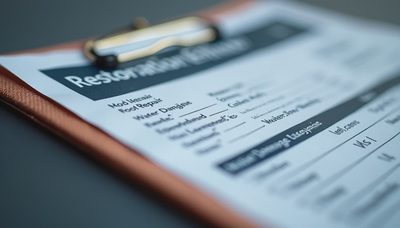
Insurance claims are easier to review when the evidence is organized. Create a dated folder with photos, videos, the fire report, contractor estimates, receipts, hotel invoices, and a room-by-room inventory. For personal property, record the item, brand, approximate age, purchase price if known, and current condition. A damaged laptop, sectional sofa, furnace, or set of tools may require different documentation than a burned wall or roof.
Ask contractors for written estimates that separate emergency services from reconstruction. For example, water extraction, temporary roof protection, smoke cleaning, cabinet replacement, insulation, drywall, painting, and electrical work should not appear as one unexplained total. A clear scope lets you compare proposals and identify missing work. Fire damage restoration companies often prepare detailed photos and moisture readings that support the technical portion of a claim, but their report does not automatically determine what the policy covers.
Read settlement paperwork before signing. If an insurer issues an initial payment, it may be an advance rather than the final amount, depending on the policy and claim circumstances. Keep communication in writing when possible and ask specific questions about depreciation, replacement cost, code upgrades, and hidden damage discovered during demolition.
Choosing a qualified restoration contractor
Look for a contractor with verifiable licensing where required, general liability insurance, workers compensation coverage, and experience handling fire, smoke, and water losses. Ask who will perform the work, whether subcontractors are involved, and who supervises the project. A legitimate company should provide a physical business address, a written contract, a detailed scope, and references or reviews that can be checked independently.
Be cautious when a company arrives uninvited immediately after a fire, pressures you to sign an assignment of benefits, asks for a large cash payment, or promises that insurance will pay for everything. A contractor can help document damage, but cannot guarantee an insurer's decision. Do not let anyone discourage you from contacting your carrier or getting another estimate.
Compare proposals by scope, materials, schedule, warranty, payment terms, and change-order rules. A $18,000 estimate that includes drying, odor treatment, permits, insulation, and finish work may represent more value than a $12,000 estimate that only covers demolition and painting. The lowest number is not always the lowest final cost.

Questions to ask before work begins
Ask how the contractor will protect undamaged areas, separate salvageable belongings, document moisture levels, and control dust. Find out whether damaged materials will be removed immediately or only after the adjuster inspects them. In some cases, throwing away evidence too early can complicate the claim, although hazardous or unsafe materials should never be left in place just to preserve documentation.
Confirm the payment schedule in writing. A modest deposit can be reasonable for materials, but a demand for the entire project price upfront deserves serious caution. Ask what happens if hidden framing damage, asbestos-containing materials, electrical problems, or code requirements are discovered. The contract should explain how additional work is approved and priced.
Also clarify the timeline for temporary protection, drying, cleaning, reconstruction, inspections, and final walkthrough. If the home is not habitable, ask whether the contractor coordinates with your insurer or property manager, but keep responsibility for claim decisions with the insurance company. Good fire damage restoration planning reduces surprises and gives everyone a shared record of the work.
Typical costs, timelines, and next steps
Costs vary widely. A small kitchen fire with smoke cleaning and limited cabinet replacement might cost several thousand dollars. A larger loss involving roofing, framing, electrical systems, water extraction, and full interior reconstruction can reach tens of thousands of dollars or more. Location, materials, access, building codes, and the amount of structural damage all affect the estimate.
A practical sequence is to secure the property, notify insurance, document the loss, remove standing water, stabilize the structure, clean smoke residue, complete testing or inspections, and then rebuild. Do not begin cosmetic upgrades until essential fire damage restoration work is complete. Fresh paint can hide smoke staining, while new flooring can trap moisture beneath it.
If you need help, gather your policy information, fire report, photos, receipts, and any contractor proposal before making calls. A careful restoration professional should explain the scope in plain language and identify what needs immediate attention. With organized records and a safety-first approach, homeowners can move from emergency response toward a controlled repair plan without surrendering control of the claim.