
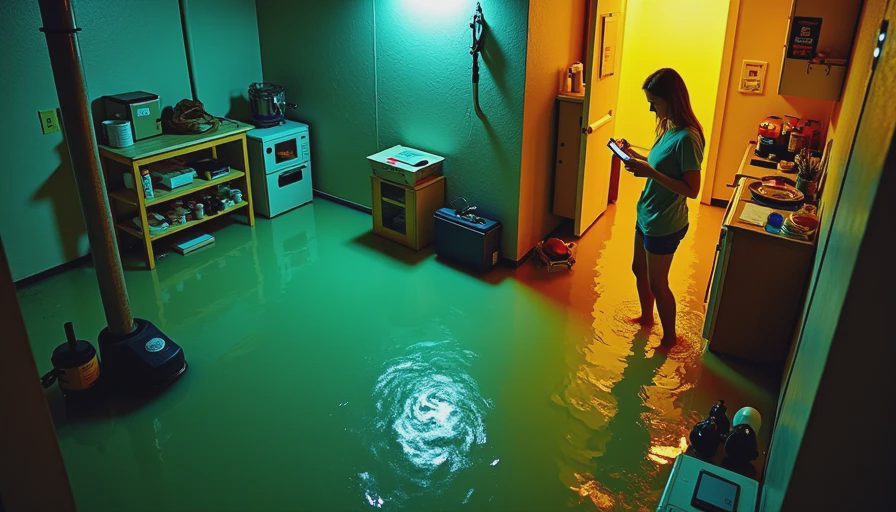
A flooded basement can turn a routine storm into an expensive, hazardous cleanup. Before moving boxes or calling the first contractor you find, identify the water source, protect people from electrical risks, and start documenting the damage. The right first steps can reduce further loss and give your insurance adjuster a clearer picture of what happened.
Start With Safety and the Water Source
Do not enter standing water if electrical outlets, appliances, extension cords, or a breaker panel could be submerged. Leave the area and contact an electrician if you are unsure whether power can be shut off safely from a dry location. A sump pump, furnace, water heater, and electrical equipment can create serious shock hazards even when the water looks clean.
If the basement is safe to approach, determine whether the problem came from a burst pipe, failed water heater, backed-up drain, broken sump pump, foundation seepage, or stormwater entering through windows and doors. Shut off the main water supply for a plumbing failure. For a sewage backup, avoid direct contact and arrange professional sanitation. For a storm-related flooded basement, photograph the exterior grading, downspouts, window wells, foundation walls, and nearby drainage before cleanup changes the evidence.
Water can damage drywall, insulation, flooring, framing, furniture, electronics, and stored documents within hours. Mold growth can begin when damp materials remain wet, so ventilation and extraction matter. Do not use household fans if they could contact water or spread contaminated air. A restoration company with commercial extraction equipment can often remove water faster and identify moisture behind walls and under flooring.
Does Homeowners Insurance Cover a Flooded Basement?
Coverage depends mainly on how the water entered the home and which policy applies. A standard homeowners policy commonly covers sudden and accidental water damage, such as a supply line that breaks inside the house or a water heater that suddenly fails. It generally does not cover surface water or groundwater that rises from outside, which is usually treated as flooding.
A separate flood insurance policy can address certain flood-related building damage, but basement coverage has important limits. Flood policies often provide restricted coverage for items such as finished flooring, personal belongings, and improvements located below ground level. Sewer backup coverage can also depend on the policy language and whether the backup resulted from a covered cause or outside water.
Do not assume the label flooded basement automatically means a claim will be denied. The cause, timing, exclusions, endorsements, deductible, and damage location all matter. Call your insurer promptly, describe the facts accurately, and ask what emergency measures are allowed. Keep receipts for reasonable temporary work, such as water extraction or emergency board-up, because documentation can support reimbursement when the work is covered.
Document Damage Before Removing Anything
Take wide photos first, then closer images of each damaged area. Capture water lines on walls, warped flooring, damaged trim, ruined appliances, stained insulation, and contents sitting on the floor. Include serial numbers and model information for major equipment when possible. A short video that slowly moves through the room can show the overall condition better than a stack of isolated pictures.
Create a room-by-room inventory with approximate purchase dates, original prices, and current condition. For example, record a $900 chest freezer, a $1,200 finished-flooring installation, or several storage bins containing clothing and holiday decorations. Do not exaggerate values, throw away damaged belongings, or begin permanent repairs before the insurer has a reasonable opportunity to inspect. If contaminated water requires immediate disposal, photograph the items and keep receipts for the cleanup.
Save emails, claim numbers, adjuster messages, plumber invoices, mitigation estimates, and contractor proposals in one folder. A simple timeline helps: water discovered at 7:30 a.m., main supply shut off at 7:45, plumber arrived at 9:00, extraction began that afternoon. These details make the claim easier to follow and can prevent disputes about when damage occurred.
Choose the Right Restoration Sequence
The first stage is mitigation: stop the source, extract standing water, remove unsalvageable materials, and dry the structure. The next stage is repair or reconstruction. That can include replacing drywall, insulation, flooring, baseboards, cabinets, electrical components, and damaged HVAC equipment. Painting should come last, after moisture readings show that affected materials are adequately dry.
For a minor clean-water incident, a plumber and local cleanup crew may be enough. A larger flooded basement often requires commercial air movers, dehumidifiers, moisture meters, antimicrobial treatment, and specialized disposal. Ask the contractor what equipment will be used, how long drying is expected to take, and which materials will be removed rather than covered.
A trustworthy proposal separates emergency services from reconstruction. It should identify labor, equipment, disposal, materials, taxes, and possible hidden conditions. Basement remediation can cost a few thousand dollars for limited water damage and substantially more when flooring, drywall, mechanical systems, or structural repairs are involved. The lowest initial estimate is not always the lowest final cost if it omits drying or demolition.

Avoid Claim and Contractor Mistakes
Be cautious with anyone who demands a large cash deposit, pressures you to sign immediately, or promises that insurance will pay for everything before seeing the policy. Ask for proof of licensing where required, general liability insurance, workers compensation coverage, references, and a written scope of work. A contractor should not encourage you to inflate an inventory or misrepresent the water source.
You can usually choose your own contractor rather than accepting the first company suggested by an insurer. An adjuster evaluates coverage and damage; the contractor performs the work. Those roles are different, and you should understand who is responsible for each decision. If a proposal includes upgrades, such as luxury vinyl plank replacing basic carpet, ask which amount relates to restoring the original condition and which amount you would pay yourself.
Do not sign an assignment of benefits, broad power of attorney, or cancellation clause without reading it carefully. If the damage is extensive or the claim becomes disputed, a licensed public adjuster or attorney may help explain options, but their fees and role should be clear before you agree.
A Practical Recovery Plan
For a flooded basement, safety comes before photographs, photographs come before disposal, and drying comes before rebuilding. Contact emergency services if water threatens electrical equipment or the home’s structure. Then report the loss, preserve evidence, arrange qualified mitigation, and keep a written record of every conversation and expense.
Before approving reconstruction, compare the scope against your photos and the adjuster’s estimate. Check that wet insulation, hidden moisture, damaged trim, and affected mechanical systems have been addressed. Ask who will obtain permits when needed and who guarantees the completed work. A careful restoration contractor will explain uncertainty instead of hiding it behind a low bid.
If you are dealing with a flooded basement now, prompt professional inspection can limit secondary damage and clarify the repair path. Reach out for a documented assessment, a detailed mitigation plan, and straightforward guidance before signing a contract.