After a wind or hail event, the first question most homeowners ask is simple: can this roof be repaired, or does the whole thing need to come off? The answer is rarely as straightforward as the number of missing shingles or the age of the roof. Insurance adjusters work from a specific set of criteria that restore the property to its pre-loss condition at the lowest reasonable cost. They rarely explain the full logic behind those criteria in plain language during the inspection.
Three signals consistently drive the real decision, yet they are the ones least clearly spelled out to homeowners. Understanding them changes how you document damage, how you talk to the adjuster, and whether you accept a repair estimate or push for a more complete scope.
Signal 1: Damage Density and Distribution Across Multiple Slopes
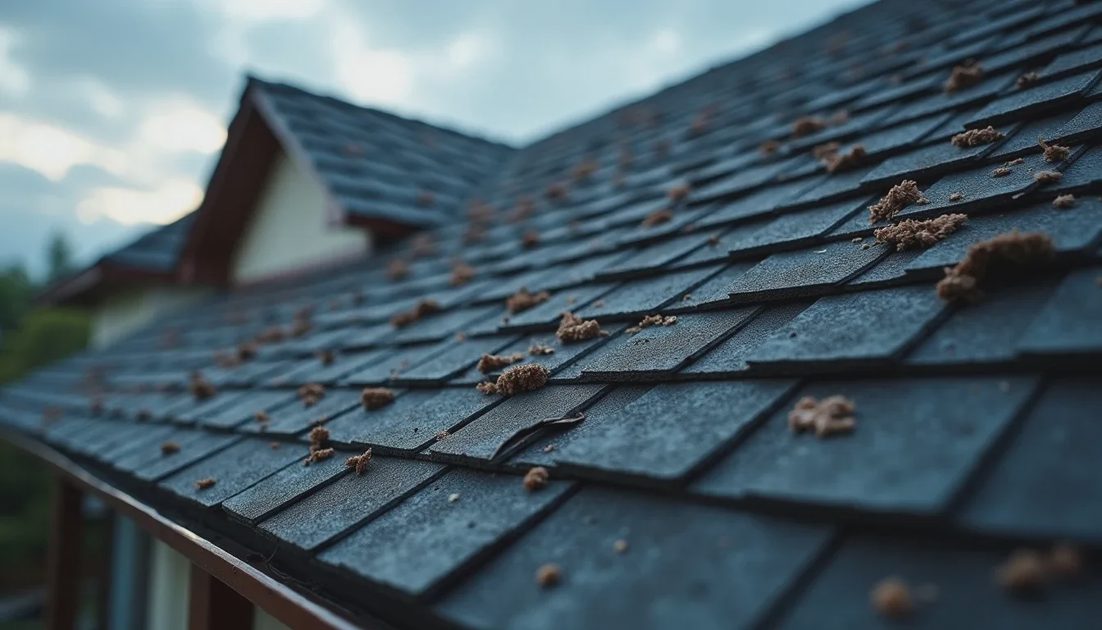
Adjusters do not simply walk the roof and note “some damage.” They quantify it. The industry standard method is the test square: a 10-foot by 10-foot area (100 square feet) marked on the surface. Inside that square they count functional impact marks—bruises that fracture the mat, cracks, or significant granule loss that exposes the asphalt substrate.
Most carriers treat roughly 7 to 10 functional hits per test square as the threshold where replacement of that slope becomes the practical solution. The exact number is not published in policy language and can shift slightly by carrier and by the age of the roof. Newer roofs may face a higher bar; older roofs a lower one. What matters more than the precise count is consistency across slopes.
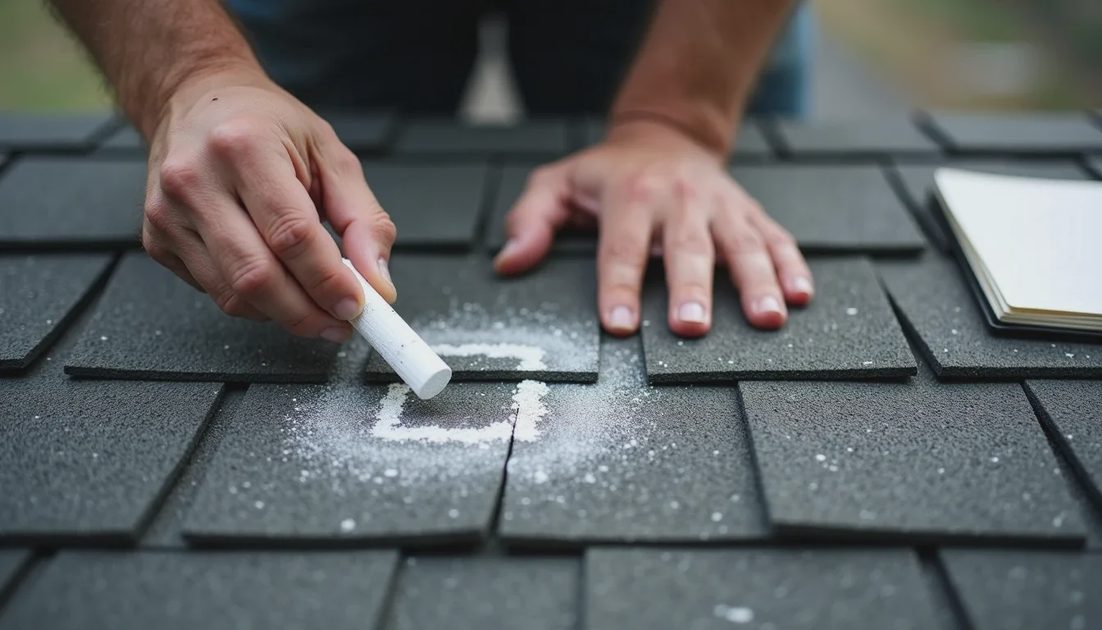
Isolated damage on one rear slope with two or three hits in a single test square usually supports a targeted repair. The same density appearing on three or four different slopes points toward system-wide compromise. Wind damage follows a similar pattern. A handful of missing tabs on one elevation is repair territory. Creased or missing shingles on both sides of the ridge, plus ridge-cap loss, signals that the entire field has been stressed beyond reliable patching.
The 25 percent rule appears in many local building codes and is applied informally by adjusters nationwide. When damage or required repair work exceeds roughly a quarter of a slope or of the total roof surface in a single event, full replacement of that section (and often the whole roof for matching reasons) becomes the standard of care. The rule is not universal law, but it is a practical benchmark many carriers respect once the documentation is solid.
Homeowners who only photograph the most obvious missing shingles miss this signal. Wide shots of every slope, close-ups of multiple test areas, and notes on orientation relative to the storm path give the adjuster—and later a contractor or public adjuster—the density map they need.
Signal 2: Functional Integrity Versus Cosmetic Appearance
Insurance covers sudden, accidental damage that impairs the roof’s ability to shed water and protect the structure. It does not cover gradual wear or pure appearance issues in many modern policies that carry cosmetic-damage exclusions.
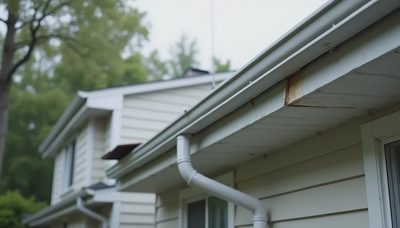
This distinction is the quiet battleground on many claims. A shingle that is merely dented or lightly scuffed may be labeled cosmetic. A shingle whose fiberglass mat is fractured, whose granules have been blasted away in a discrete impact zone, or that has cracked through to the substrate is functional damage. Soft-metal evidence on gutters, downspouts, vent covers, and AC units often corroborates the size and intensity of the hail that produced those functional hits on the shingles.
Decking condition is another layer of this signal that adjusters sometimes under-emphasize in the initial conversation. Soft or delaminated sheathing under the damaged area changes the scope from surface repair to structural. Once moisture has reached the deck, a simple shingle swap leaves a weak point that will show up as the next leak. Ventilation and flashing details around penetrations also belong here. If the storm lifted or creased shingles around a vent or chimney and the surrounding system is compromised, isolated patching rarely restores reliable performance.
Adjusters are trained to distinguish storm-caused functional loss from pre-existing deterioration. Homeowners strengthen their position by documenting both the impact pattern and the absence of widespread pre-storm wear in the same areas. Soft-metal dents that match the shingle impact density are particularly persuasive because they are objective and hard to dismiss as age-related.
Signal 3: Matching Availability and Code or Compliance Triggers
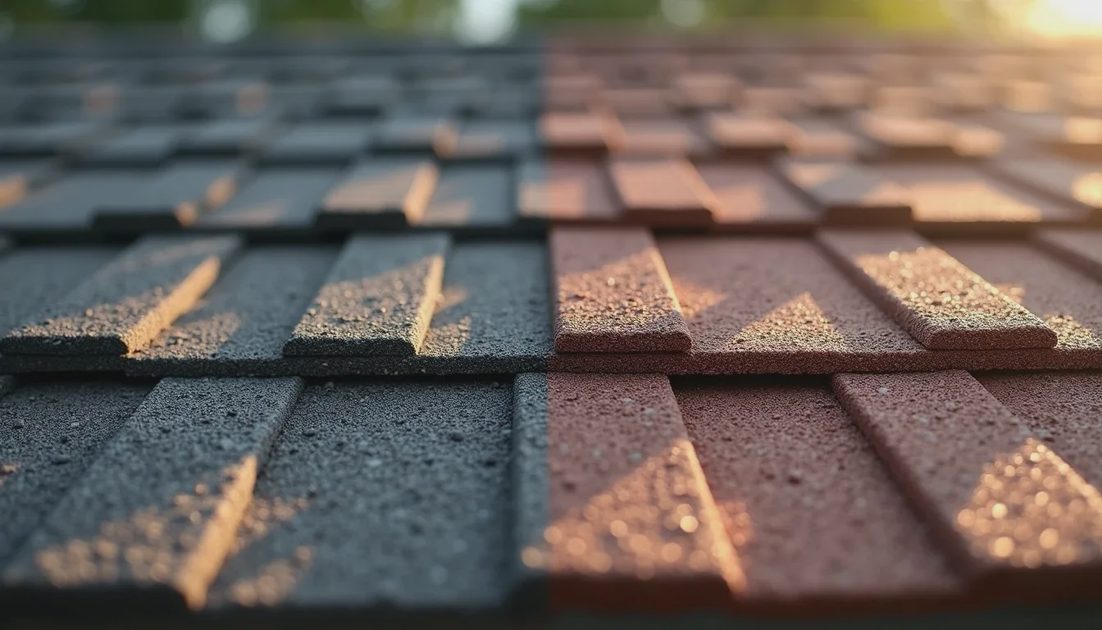
Even when damage is limited, the inability to match materials can force a larger scope. Manufacturers discontinue colors and profiles regularly. If exact or reasonably uniform replacement shingles cannot be sourced, many policies and a growing number of state matching laws require the carrier to restore a consistent appearance. That often means replacing the entire slope or the full roof rather than leaving a visible patch.
Building-code triggers work the same way. In jurisdictions that have adopted versions of the International Residential Code, replacing more than 25 percent of a roof covering within a 12-month period can require the entire covering to be brought up to current code. That may include updated underlayment, ice-and-water shield at eaves, improved ventilation, or specific fastening patterns. Once the repair itself crosses that threshold, the partial fix is no longer code-compliant. Carriers that initially offer a small repair estimate frequently expand the scope once this is documented.
Roof age interacts with both matching and code. A 8-year-old roof with limited damage and available matching product is almost always repairable. A 16- or 18-year-old roof with the same limited damage often tips toward replacement because the remaining service life is short, matching is harder, and the cost of a future failure is higher. Age alone does not decide the claim, but it amplifies the other two signals.
How These Signals Shape the Practical Decision
When all three signals lean toward repair—localized density, clear functional but limited impact, matching materials available, and no code trigger—a well-executed repair restores the roof and preserves the remaining life of the system. When two or more signals point the other way, replacement becomes the lower-risk and often the lower-total-cost path over the next decade, especially under a replacement-cost-value policy.
The adjuster’s first estimate is frequently written to the lowest reasonable cost that appears to restore pre-loss condition. That is their job. Your job is to make sure the documentation captures the density across slopes, the functional nature of the hits, the matching reality, and any code implications. A contractor who understands these signals can produce a detailed scope that either supports the repair or demonstrates why the repair will not hold.
Photograph every slope in natural light. Mark and photograph multiple test squares. Note soft-metal evidence. Record the exact product and color of the existing shingles so matching can be verified. Keep emergency-mitigation receipts. File the claim promptly and request that the adjuster document the full roof rather than only the most obvious areas.
None of this guarantees a particular outcome. Policies differ. State matching rules differ. Carrier guidelines differ. What it does guarantee is that the conversation moves beyond “there are some damaged shingles” into the actual decision framework adjusters use. That is the difference between accepting a minimal repair that fails in two years and securing a scope that actually protects the house.
The roof is not just a surface. It is a system. The three signals above are the ones that reveal whether that system can still perform after the storm—or whether the honest restoration is a full replacement.