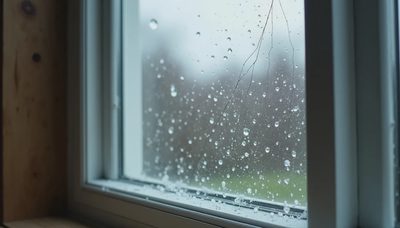
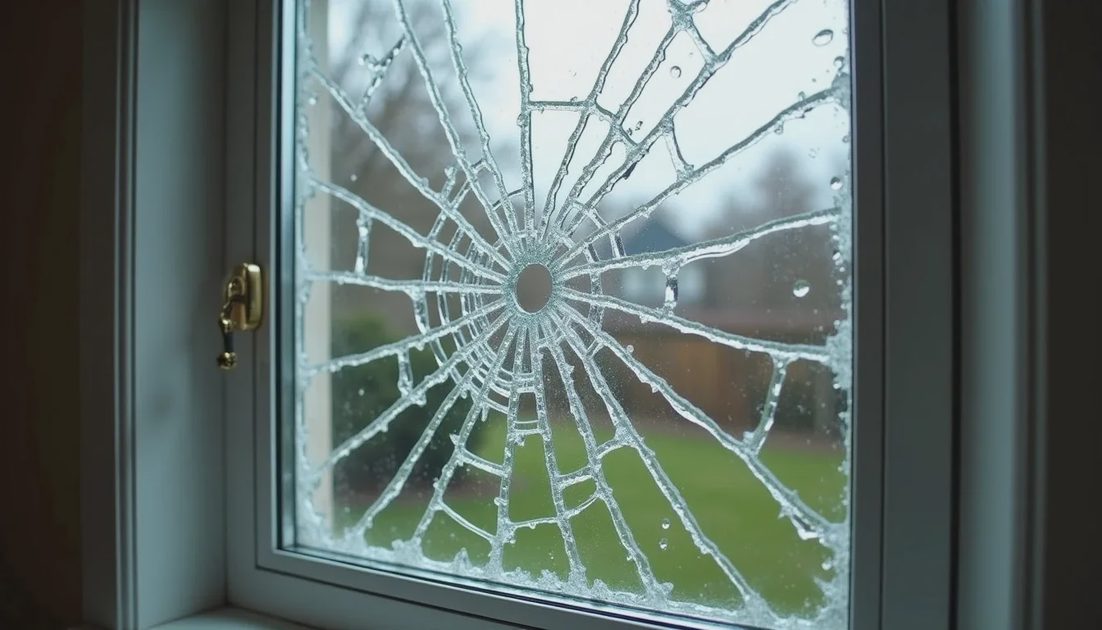
A cracked pane is the most obvious sign of storm damage, yet it is rarely the only factor that decides the correct repair path. Wind-driven debris, pressure changes, and hail can leave glass fractured, seals broken, frames distorted, or water already moving into the wall. Treating every damaged window as a simple glass swap leads to repeated failures. Treating every damaged window as a full replacement wastes money and disrupts finishes that are still sound. The distinction is practical and visible once you know what to examine.
The Four Conditions That Drive the Decision
The repair-or-replace choice rests on four related assessments: the glass itself, the sealed unit, the frame and sash, and the surrounding opening.
Glass Condition
Single-pane glass that is cracked or shattered is almost always replaced rather than repaired. Residential window glass is not laminated like a windshield; once it is fractured it has lost its structural integrity and weather resistance. Insulated glass units (IGUs) add a second layer. If only the outer lite is cracked and the seal remains intact, some systems allow replacement of the glass unit while the frame stays in place. If both lites are damaged or the crack has compromised the spacer, the entire sealed unit must come out.
Seal Integrity
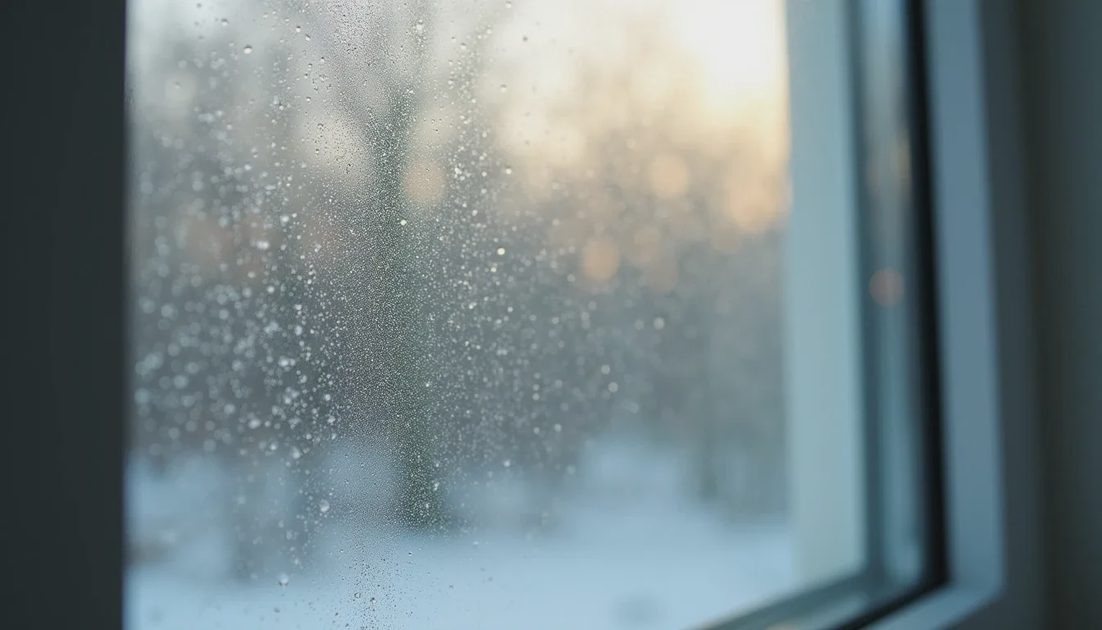
Even when the glass looks intact, the impact can flex the insulated unit enough to break the perimeter seal. Within days or weeks moisture enters the air space and condensation appears. That fog cannot be cleaned from either side. A failed seal reduces insulating value and is treated as functional damage. In most cases the remedy is replacement of the sealed glass unit. If the frame is sound, this is still a repair rather than a full window replacement.
Frame and Sash Condition
This is the decisive line. If the frame is cracked, racked out of square, or bent so that the sash no longer seals or operates, glass-only work will not restore performance. Vinyl frames can crack or deform under impact. Wood frames can split. Aluminum can bend. Once the frame itself is compromised, or once the sash is warped and no longer available as a matching part, full unit replacement becomes the practical path. Operation problems—difficulty locking, visible daylight around the closed sash, or persistent drafts—point in the same direction.
Water Intrusion and Rough Opening
If water has already entered the wall cavity around the window, or if the rough opening has shifted, simply installing new glass leaves the larger problem unsolved. Soft sheathing, stained drywall, or deteriorated flashing around the unit usually require the window to be removed so the opening can be properly prepared and sealed. In those cases full replacement is not an upgrade; it is the minimum scope that addresses the actual damage.
Practical Decision Path
Work through the questions in order.
Is the glass cracked or the sealed unit fogged?
→ Glass or IGU replacement is required at minimum.Is the frame still square, solid, and weather-tight?
→ If yes, glass-only or sash-level work is usually sufficient.
→ If no, full unit replacement is the correct scope.Does the window still operate and lock normally?
→ Persistent operation problems after glass work often indicate frame or hardware damage that favors replacement.Is there evidence of water entry into the surrounding wall?
→ Water intrusion moves the project beyond the window itself and typically requires full removal and proper reinstallation.Are matching glass units or sashes still available for this product line?
→ Discontinued systems can force full replacement even when the frame appears serviceable.
Repair Versus Replacement at a Glance
Condition Observed | Typical Path | Why |
|---|---|---|
Cracked single pane, sound frame | Glass replacement | Frame still performs |
Fogged IGU, sound frame and operation | Sealed unit replacement | Restores insulating value without disturbing finishes |
Cracked or racked frame | Full window replacement | Glass work cannot correct structural distortion |
Water staining in wall around unit | Full replacement + opening repair | Hidden moisture must be addressed |
Discontinued product, no matching parts | Full replacement | Matching and warranty continuity unavailable |
Only screen or exterior trim damaged | Component repair | Main unit remains intact |
Cost and Disruption Considerations
Glass-only or IGU replacement is usually 40 to 60 percent of the cost of a full window and causes far less disruption to interior trim and exterior finishes. Full replacement involves removing the unit to the rough opening, addressing any hidden water damage, resetting a new window, and refinishing the interior and exterior. The higher cost buys a new frame, new seals, current energy performance, and a fresh warranty. When the frame is already compromised, the higher cost is also the lower long-term risk.
In insurance claims the carrier is responsible for restoring the damaged property to its pre-loss condition. If the frame is sound, that restoration is typically glass or sash work. If the frame is damaged or water has entered the wall, the scope expands. Clear photographs of frame condition, operation problems, and any interior moisture help keep the claim aligned with the actual damage rather than with the most minimal interpretation.
Documentation That Supports the Correct Scope
Photograph every affected window from outside and inside. Capture the glass condition, any fogging, the fit of the sash in the frame, and the condition of the surrounding trim and wall. Note whether the lock engages cleanly and whether daylight is visible around the closed sash. If a contractor removes a unit, document the condition of the rough opening and any soft material before new work begins. These records prevent later disagreement about whether the damage was limited to glass or extended to the frame and wall.
Practical Path Forward
Inspect each damaged window as a small system rather than as a single pane of glass. Separate glass and seal problems from frame and opening problems. When the frame remains square, solid, and operational, glass or sealed-unit replacement is the efficient and durable repair. When the frame is distorted, the unit no longer seals, or water has entered the wall, full replacement is the scope that actually restores the opening.
The goal is not the smallest possible invoice and not the largest possible project. It is a clear-eyed match between the damage that exists and the work required to leave a weather-tight, operable window. That match is visible once you look past the crack and examine the frame, the seal, the operation, and the wall around it.