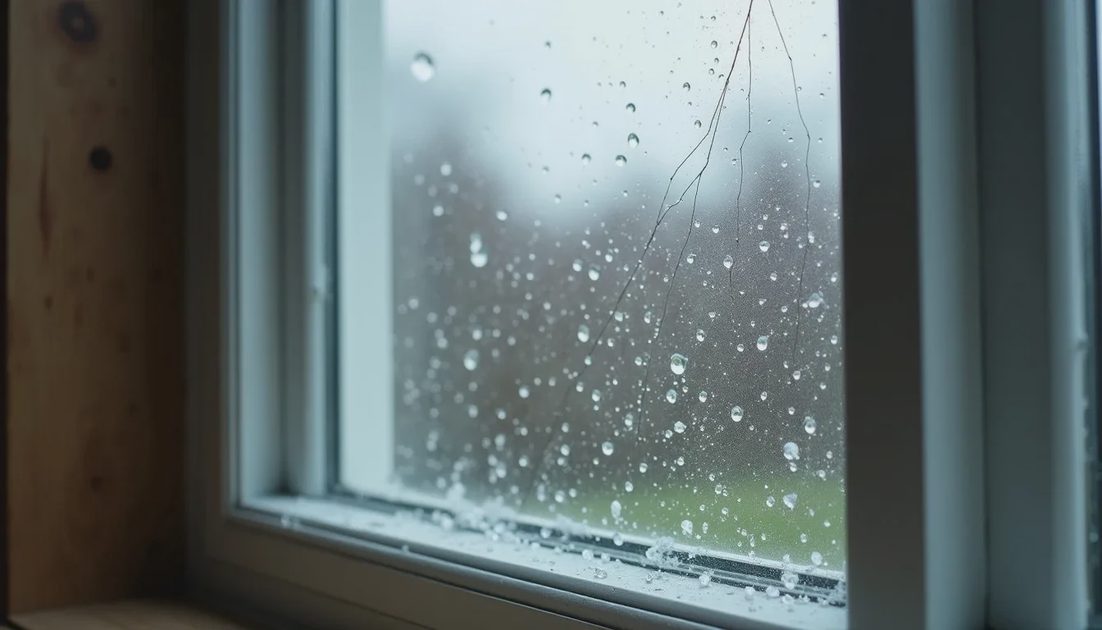
Hail does not always shatter a window in one dramatic strike. More often it leaves a pattern of bruises, edge chips, or invisible seal stress that shows up days or weeks later as fog between the panes. Homeowners then face a practical question: can the glass be swapped, or does the whole window need to come out?
The answer is not automatic. It depends on what the hail actually damaged, whether the frame and sash still perform, and how the numbers work once insurance and long-term performance enter the picture. Filing a claim without running those numbers can lock you into a minimal repair that fails early or a full replacement that exceeds what the policy will support.
What Hail Actually Does to Windows
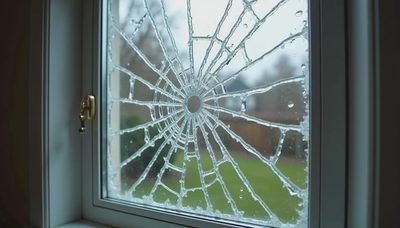
Hailstones larger than about one inch can crack single-pane glass and fracture the outer lite of a double-pane insulated glass unit. Even when the glass stays intact, the impact flexes the sealed unit. That flex can break the perimeter seal that holds argon or other gas between the panes. Once the seal fails, moist air enters and condensation appears. The window loses its rated insulating value and the fog cannot be cleaned from either side.
Frames take damage too. Vinyl can pit or crack. Aluminum can dent. Wood can split or take impact marks that later allow water entry. Screens tear easily. Glazing beads—the strips that hold the glass in place—can loosen or break, leaving the glass less secure. Hardware and weatherstripping sometimes shift under the same force that damaged the glass.
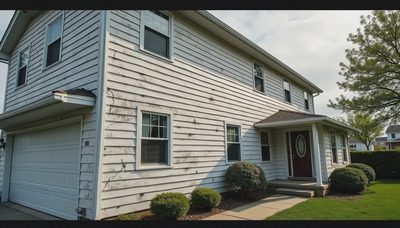
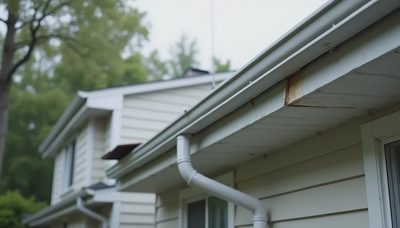
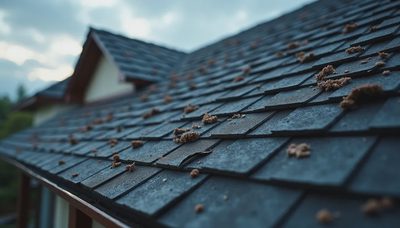
These effects are not always obvious from the ground. Soft-metal evidence on nearby gutters or AC units often confirms the storm intensity even when window damage looks minor. Adjusters look for functional loss: reduced weather resistance, lost thermal performance, or compromised operation. Pure surface marks that do not affect performance may be labeled cosmetic and excluded under some modern policy endorsements.

When Glass-Only Replacement Is Enough
Glass-only work (or insulated glass unit replacement) makes sense when the problem is limited to the glazing and the rest of the assembly remains sound. The frame stays square. The sash operates and locks properly. No daylight shows around the perimeter. Matching or compatible sealed units are available for the existing product line.
In these cases a glazier removes the damaged pane or sealed unit and installs a new one inside the original sash or frame. Cost is typically 40 to 60 percent lower than full window replacement. Labor is shorter. Interior trim and exterior siding stay untouched. Energy performance returns to the original specification of that unit.
This path works best on windows that are still within their expected service life and whose manufacturer still supports replacement glass. Many vinyl and aluminum double-hung and sliding units allow this approach. Older wood windows sometimes do as well if the sash itself is intact.
Screens and exterior trim pieces can often be handled the same way—individual component repairs that restore function without touching the main assembly.
When the Entire Window Must Be Replaced
Full-frame or full-unit replacement becomes the practical solution when multiple systems are compromised. Cracked or warped frames that no longer seal. Sashes that no longer sit square. Failed hardware with no available replacement parts. Water already entering around the rough opening. Or a product line so old that matching glass or sash components no longer exist.
Once the frame itself is damaged, simply installing new glass leaves the weak point in place. The next wind-driven rain or freeze-thaw cycle will exploit it. Matching issues also force larger scopes. If exact glass or sash profiles are discontinued, the carrier may still pay only for the damaged units, but the homeowner is left with visible mismatches across an elevation. Some policies and state matching rules push the scope toward more complete replacement when uniform appearance cannot be restored any other way.
Age matters here. A ten-year-old window with isolated glass damage and available parts is usually a glass-only candidate. The same damage on a twenty-five-year-old unit with already marginal seals and hardware often tips the decision toward full replacement, especially if insurance is covering the storm-related portion.
Running the Numbers Before You File
The financial decision has three layers: immediate cost, insurance recovery, and long-term performance.
Glass-only replacement for a standard residential insulated unit commonly falls in the $300–$800 range per opening, depending on size, glass type, and labor market. Full window replacement for a comparable vinyl unit often runs $800–$1,800 or more installed. Impact-rated or premium wood units push higher. Those ranges shift with region and code requirements, but the relative gap stays consistent: glass-only is substantially cheaper upfront.
Insurance changes the math. Hail is a covered peril under most homeowners policies. The carrier is obligated to restore the damaged property to its pre-loss condition. If only the glass is damaged and the frame is sound, the estimate will usually reflect glass or sash work. If the adjuster documents frame compromise, seal failure tied to the storm, or matching impossibility, the scope expands. Deductibles still apply. Cosmetic-damage exclusions on some policies can limit payment for surface marks that do not affect function.
Homeowners sometimes assume that filing automatically produces full replacement across every window on the elevation. That is rarely true. Policies cover what the storm damaged, not a whole-house upgrade. If only three windows show functional damage, the claim will focus on those three. Matching arguments can expand the scope in limited cases, but they require documentation that exact or reasonably uniform materials are unavailable.
The longer view also matters. A glass-only repair on a sound frame restores the unit for the remaining life of that frame. If the frame is already near the end of its service life, the same money (or the insurance proceeds) may deliver better value in a new unit with modern glass, better seals, and a fresh warranty. Energy savings over ten years can narrow the gap between the two options, though they rarely erase it entirely on a single-window basis.
Documentation That Protects the Claim
Photograph every elevation in natural light before any temporary boarding or cleanup. Capture close-ups of impact marks, cracks, fogging, frame dents, and screen damage. Note the date of the storm and any soft-metal evidence nearby. If fogging appears days later, document the progression with dated photos. Keep receipts for any emergency measures that prevent further damage.
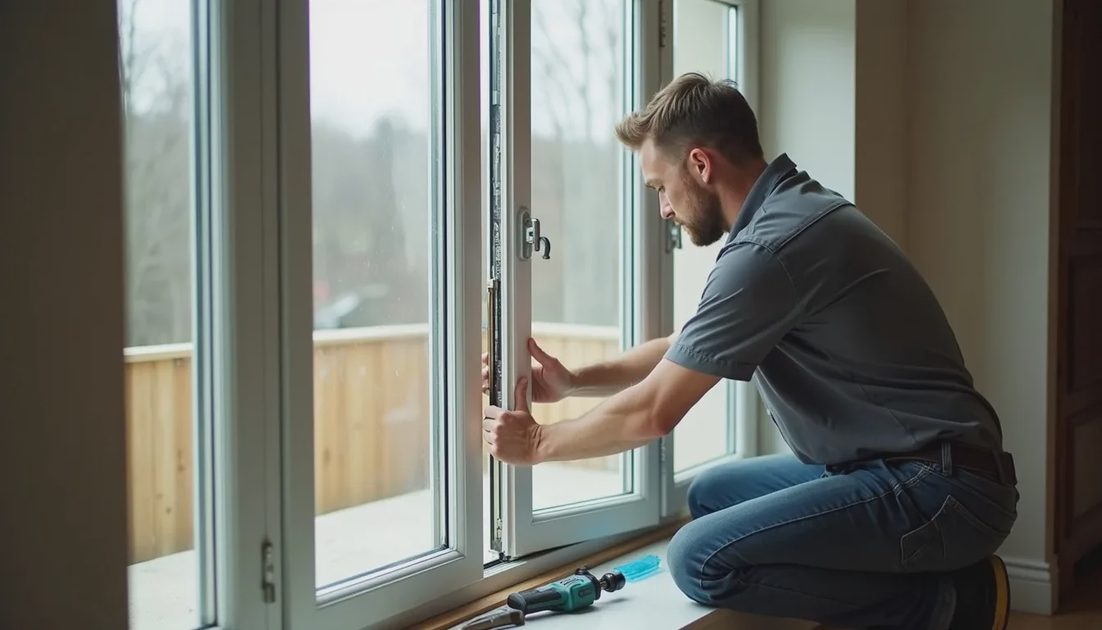
A contractor or window specialist who understands insurance scoping can measure the openings, identify the product line, check parts availability, and produce a line-item estimate that separates glass work from full-unit work. That document becomes the basis for conversation with the adjuster. Vague “windows damaged” language invites a minimal estimate. Specific notes on seal failure, frame condition, and matching limitations support a more accurate scope.
Attend the adjuster inspection if possible. Point out every affected unit and any secondary signs of water entry or operation problems. Ask how the estimate treats seal failure versus pure glass fracture. Clarify whether the policy contains a cosmetic-damage exclusion that might limit recovery on pitted frames.
Practical Decision Path
Start with a careful inspection of every window on the storm-exposed elevations. Separate units that show only screen or minor trim damage from those with cracked glass, fogging, or frame issues. For each compromised unit, ask three questions:
Is the frame still square, solid, and weather-tight?
Are matching or compatible glass and sash components available?
Does the cost of glass-only work stay well below the cost of full replacement while restoring full performance?
If the answers are yes, glass-only is usually the efficient path. If any answer is no, full replacement of that unit is the more durable solution. Run the insurance numbers against both scopes before authorizing work. A lowball repair estimate that leaves functional damage unaddressed will cost more later. An unnecessary full replacement of sound frames wastes claim value that could have covered other storm-related work.
Hail damage to windows is rarely all-or-nothing. The glass can often be replaced while the frame continues to serve. When the frame itself has been compromised, or when matching and long-term performance make patching impractical, the entire unit needs to go. The difference shows up in both the claim settlement and the performance of the house for the next decade. Document the damage thoroughly, separate functional loss from cosmetic marks, and let the actual condition of each window drive the decision rather than a default preference for the cheapest or the most complete option.