
The lowest number on a set of roofing proposals looks like the clear winner. Many homeowners treat it that way. In storm-related work, that instinct is frequently the most expensive mistake they make.
Price differences of several thousand dollars rarely come from pure efficiency. They come from differences in what is included, what is assumed, and what is deliberately left out until the job is under way. Once the old roof is off and the homeowner is committed, the missing pieces reappear as change orders, delays, or incomplete work that shortens the life of the new roof.
What Low Proposals Commonly Leave Out
A complete roofing scope is not just shingles. It is a system: tear-off, deck inspection and repair, underlayment, ice-and-water protection, drip edge, flashing, ventilation, disposal, permits, and proper fastening. Low proposals systematically thin that list.
Scope Gaps That Appear After Tear-Off
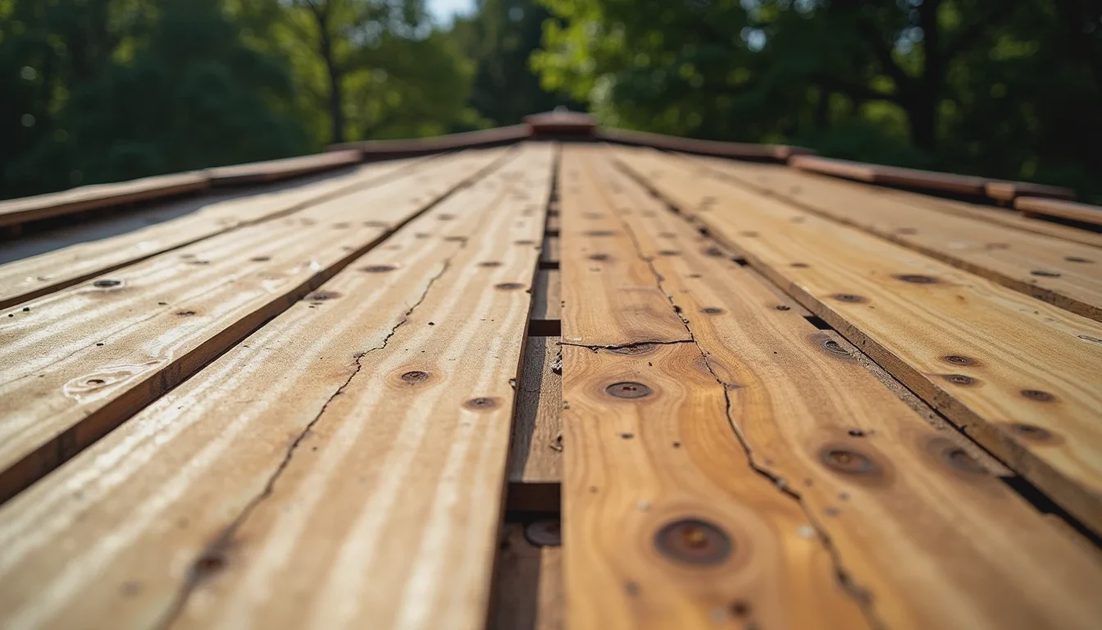
The most common pattern is a low base price that assumes the deck is perfect. When soft or damaged plywood is found, the contractor presents a change order for decking at a high unit price. The same pattern appears with ventilation upgrades, ridge vent work, or code-required ice-and-water shield at eaves and valleys. These items are not surprises to experienced roofers; they are foreseeable and should be addressed with clear allowances or unit pricing in the original proposal.
Material Downgrades
Some low bids use the cheapest available shingle that still carries a “lifetime” marketing label, thinner underlayment, or minimal flashing. The difference is invisible on day one and obvious five to eight years later when the system underperforms. Manufacturers’ warranties are only as good as the installation and the product grade actually installed. A proposal that does not name the exact product, weight, and warranty terms leaves the homeowner unprotected.
Labor and Oversight Shortcuts
Labor is a large share of any roofing job. Dramatically lower pricing often means less experienced crews, thinner supervision, or aggressive production schedules that skip proper nailing patterns, flashing details, or cleanup. The result is a roof that looks finished but fails inspection or develops leaks within a few seasons.
How Low Bids Shift Risk Onto the Homeowner
The contract language that accompanies a low proposal is often more important than the number itself.
Change-Order and “Unforeseen Conditions” Clauses
Many low-bid contracts give the contractor broad rights to charge extra for anything discovered after tear-off or required by an inspector. The homeowner who signed the low number now faces a choice: pay the extras or stop the job. A stronger proposal either includes realistic allowances for decking and code items or states clear unit prices in advance so the homeowner can evaluate the true cost range.
Permit and Inspection Avoidance
A proposal that is silent on permits, or that suggests “we can skip the permit to save money,” is a red flag. Unpermitted work can create problems at sale, with future insurance claims, or when a later leak leads to a dispute over whether the roof was installed to code. Legitimate contractors treat permits as a normal cost of doing the job correctly.
Warranty and Insurance Gaps
Some low-priced operators carry minimal liability coverage or none at all. Others rely on subcontractors whose insurance does not protect the homeowner. If a worker is injured or neighboring property is damaged, the homeowner can be left exposed. Workmanship warranties from companies that disappear after a few seasons are worthless. A complete proposal lists the contractor’s license, insurance limits, and the exact warranty terms that will apply.
Comparing Proposals the Right Way
Price is only one column. The useful comparison is scope completeness, material clarity, and risk allocation.
Element | Low-Bid Pattern | Strong Proposal Pattern |
|---|---|---|
Tear-off | Often assumed or vague | Explicit layers removed, disposal included |
Decking | Silent or “if needed” | Clear inspection + unit price allowance |
Underlayment & ice/water | Minimal or unspecified | Named product and coverage areas |
Flashing & accessories | Often incomplete | All penetrations, valleys, drip edge listed |
Permits & inspections | Missing or homeowner responsibility | Contractor handles, cost included |
Payment terms | High deposit or vague schedule | Balanced schedule tied to milestones |
Warranty | Vague or limited | Written workmanship + manufacturer details |
Line up the proposals side by side and ask the same questions of each.
What exactly is included?
What is excluded?
What happens if soft decking is found?
Who pulls the permit?
What is the exact shingle and underlayment?
Who is on the job and what insurance covers them?
……
The Insurance Claim Context
In storm claims the lowest proposal creates an extra problem. Insurance pays for the cost to restore the roof to pre-loss condition with like-kind and quality materials, subject to the policy. A contractor who bids far below the actual cost of proper work either cannot perform the approved scope or will pressure the homeowner to accept thinner materials and incomplete details so the job stays profitable. The claim settlement is then used to fund an under-scoped roof.
A better approach is to obtain a detailed proposal that matches the scope needed for a durable, code-compliant roof, then use that document to support a complete claim settlement. The goal is not the lowest number; it is a number that actually buys a complete, properly installed system.
Practical Path Forward
When proposals arrive, resist the urge to rank them by total price alone. First eliminate any that are vague, missing critical line items, or silent on permits and decking. Then compare the remaining proposals on material specifications, unit pricing for unknowns, warranty clarity, and the contractor’s ability to stand behind the work.
The lowest number is often the riskiest because it is incomplete by design. The proposal that looks higher on paper frequently includes the work that the low bid will later charge for as extras—or will simply skip. In roofing, the true cost is the cost of a system that performs for its expected life, not the number that gets a signature the fastest.