

The materials section of a storm restoration proposal is often the shortest part of the document and the most consequential. Homeowners naturally focus on the shingle name and the total price. The rest of the line items—underlayment, ice-and-water membrane, starter strips, ridge cap, drip edge, and flashing—receive less attention. That is exactly where performance and cost differences hide.
A proposal that simply lists “architectural shingles and underlayment” leaves almost every important decision open. The contractor can install a wide range of products that all technically fit those words. Some will carry strong warranties and long service lives. Others will meet only the minimum threshold and begin to underperform years earlier than expected.
The Visible Product Versus the System Beneath It
Shingles are the only material most people see from the ground. Everything else is covered within the first day of installation. That visibility gap creates the opportunity for quiet substitutions.
Shingles Themselves
Even within the category of “architectural” or “laminated” shingles there are meaningful differences in weight, granule adhesion, impact resistance, and warranty structure. A proposal that names the manufacturer and exact product line removes ambiguity. A proposal that uses only a generic description or the phrase “or equal” leaves the final choice to the contractor’s supply yard on the day of the job. When two proposals differ by several thousand dollars, the shingle line is often part of the explanation—but it is rarely the whole explanation.
Underlayment: The Most Common Quiet Downgrade
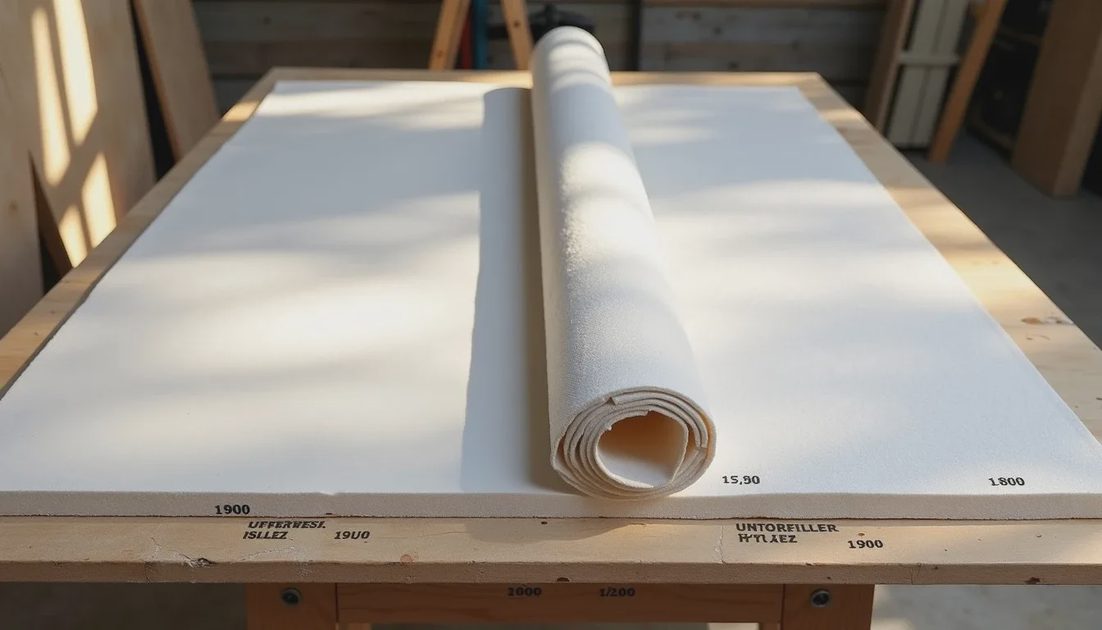
Underlayment sits between the deck and the shingles. It is the secondary weather barrier. Traditional felt, basic synthetic, and premium synthetic products differ substantially in thickness, tear resistance, and water-shedding ability. Premium synthetics are thicker, more stable underfoot, and more resistant to wind-driven rain if a shingle is damaged. Generic versions are thinner and cheaper. Once the shingles are on, the difference is invisible. A materials line that simply says “underlayment” or “synthetic underlayment” does not tell you which one you are buying.
Ice-and-Water Membrane
In cold climates and on complex roofs this self-adhering membrane is critical at eaves, valleys, and around penetrations. It seals around fasteners and provides a waterproof layer where water is most likely to back up. Some proposals include it only at the code minimum. Others extend it farther up the slopes or into all valleys. Some omit the brand. Because the membrane disappears under the finished roof, its presence, extent, and quality are easy to thin out while still claiming the materials line is complete.
Accessories That Complete the System
Manufacturer warranties increasingly require system components—starter strips, matching ridge cap, and approved underlayments—rather than field shingles alone. When those items are missing or described generically, two problems appear.
Starter Strips and Ridge Cap
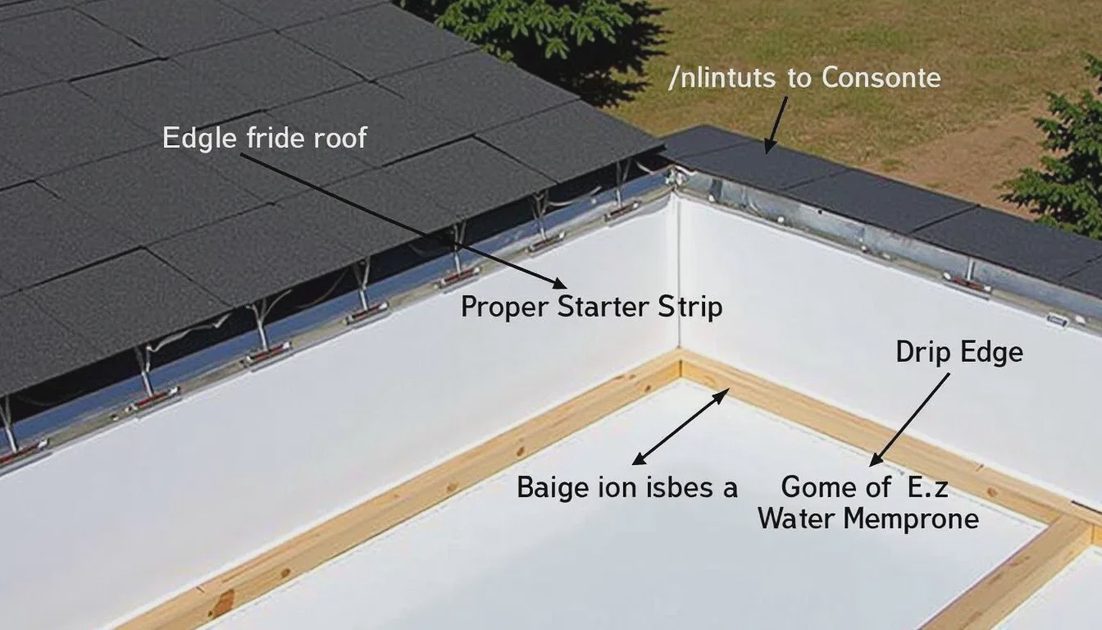
Purpose-made starter strips seal the first course at the eave. Cutting tabs from field shingles is a common shortcut that provides less consistent adhesive coverage. Ridge cap is another frequent substitution point. Using field shingles cut down for the ridge may void the manufacturer’s high-tier warranty. A complete materials list names the starter and ridge products and confirms they are part of the same system as the field shingles.
Drip Edge and Flashing
Drip edge at eaves and rakes directs water away from the fascia and into the gutters. Flashing at walls, chimneys, and penetrations keeps water out at the most vulnerable transitions. Proposals sometimes assume existing metal will be reused. In storm work that assumption is often optimistic. Wind and age leave much of the old flashing distorted or corroded. A materials line that is silent on drip edge and flashing leaves those decisions for the job site, where the incentive is to reuse whatever is still attached.
How Vague Language Protects the Wrong Party
When a proposal uses broad terms, the contractor retains flexibility and the homeowner retains risk. If a problem appears three or five years later, the conversation turns on what was actually specified. “Architectural shingles and underlayment” is difficult to enforce. “GAF Timberline HDZ field shingles, Timbertex ridge, WeatherWatch ice-and-water at eaves and valleys, and Deck-Armor underlayment” is enforceable.
The same principle applies to quantity. A materials line that does not state coverage areas for ice-and-water or underlayment allows the installer to use the minimum. A line that states “ice-and-water membrane extending 24 inches past the interior wall line at all eaves and continuous in all valleys” sets a clear standard.
The materials you cannot see after installation are the ones most likely to be quietly reduced.
What to Require in the Materials Section
Before comparing totals, require every proposal to answer the same questions in writing:
Exact manufacturer and product name for field shingles, starter, and ridge
Type and brand of underlayment
Brand, location, and extent of ice-and-water membrane
Whether drip edge is new at all eaves and rakes
How flashing at walls, chimneys, and penetrations will be handled
Confirmation that the components form a warrantable system
If a contractor resists naming products, the resistance itself is useful information. Most established companies already know what they intend to install and can list it without difficulty.
The Insurance Claim Dimension
In claim-funded work the carrier’s estimate also contains materials assumptions. Those assumptions are often generic or based on the lowest-cost product that meets a broad description. A contractor who simply mirrors the carrier’s generic language may install the minimum. A contractor who specifies higher-performing system components will need to document the difference and, if appropriate, support a supplement. The clarity of the materials line determines whether that conversation is possible or whether the homeowner is left absorbing the upgrade cost—or accepting a thinner system.
Practical Path Forward
Treat the materials section as a specification, not a summary. Insist on named products and clear coverage descriptions. Compare those specifics across proposals rather than comparing only the bottom-line numbers. The proposal that looks slightly higher because it lists complete, warrantable components is usually the one that delivers the system you actually expect to live under for the next twenty years.
What is hiding in the materials line is not always intentional deception. Often it is simply the absence of precision. In storm restoration, precision is the difference between a roof that performs as a system and a collection of parts that only look finished from the street.