
After a storm, proposals arrive quickly. Some are one-page totals. Others run several pages with line items, product names, and process notes. The difference between them is not just length. It is the difference between a document that protects the homeowner and one that leaves important decisions for later—when leverage has shifted.
A systematic review prevents most of the common problems: missing scope, vague materials, unbalanced payment terms, and unclear responsibility for permits or hidden conditions. The following checklist is organized by the questions that actually matter once the work begins.
Scope of Work: What Exactly Will Be Done
The scope section should describe the work in plain language and in enough detail that a third party could understand what is included and what is not.
Tear-Off and Substrate
Does the proposal state that the existing roof covering will be fully removed down to the deck? Does it address the number of layers expected? Is there a clear method for inspecting and, if necessary, replacing damaged decking? Look for either a stated allowance with unit pricing or a firm per-sheet price. Vague phrases such as “decking as needed” or “repairs extra” shift cost risk onto you.

Underlayment, Ice-and-Water, and Edge Details
The proposal should name the underlayment type and where ice-and-water shield will be applied (eaves, valleys, penetrations). Drip edge at eaves and rakes should be listed. If these items are missing or described only as “standard underlayment,” ask for specifics. These details determine long-term performance at the most vulnerable locations on the roof.
Flashing, Ventilation, and Penetrations
Every chimney, skylight, pipe, and wall intersection needs a clear treatment. The proposal should state whether existing flashing will be replaced or reused, and under what conditions. Ventilation (ridge, soffit, or other) should be addressed if the storm or the new system requires changes. Silence on these items often means they will be handled minimally or billed later.
Related Exterior Work
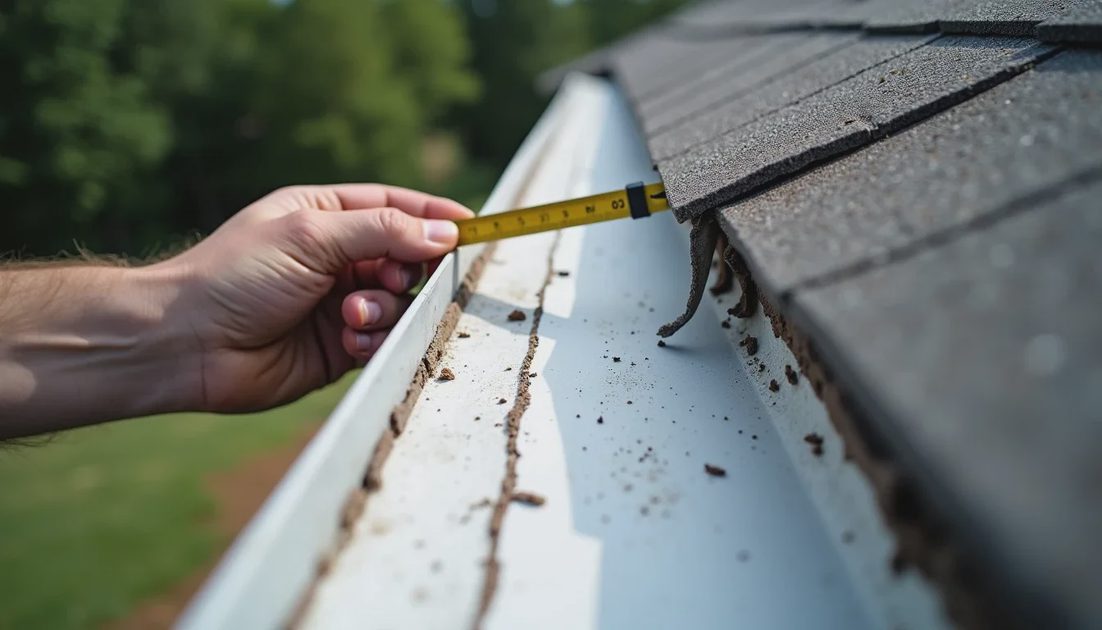
If gutters, fascia, or soft metals were damaged in the same event, the proposal should either include them or explicitly exclude them. Leaving related work unmentioned creates coordination problems and potential gaps in the finished weather barrier.
Materials: What Will Actually Be Installed
Price comparisons are meaningless without product clarity.
Named Products Versus Generic Descriptions
“Architectural shingles” is not a specification. A strong proposal names the manufacturer, product line, and warranty tier. The same standard applies to underlayment, ice-and-water membrane, and any specialty flashings. If the contractor intends to use an “equivalent,” the proposal should state the performance criteria that define equivalence.
Color and Matching
For partial work or for systems where appearance matters, the proposal should address how color and profile will be matched. If exact matching is impossible, that limitation should be stated up front rather than discovered after installation.
Process and Logistics: How the Work Will Be Managed
Permits and Inspections
The contractor should be responsible for obtaining the building permit and scheduling required inspections. A proposal that is silent on permits, or that asks the homeowner to pull an owner-builder permit, transfers legal and compliance risk. Confirm that final inspection is part of the process.
Site Protection and Cleanup
Look for language about protecting landscaping, driveways, and adjacent structures, and about daily and final cleanup, including magnetic sweeps for nails. These items are easy to omit in a short proposal and expensive to resolve after the fact.
Timeline and Weather Contingencies
A realistic start window and an estimated duration help set expectations. Weather delays are normal; the proposal should note how they will be handled without turning every rain day into a dispute.
Money and Risk: How Payment and Responsibility Are Allocated
Payment Schedule
A balanced schedule ties payments to progress. Large deposits before any work begins, or final payment demanded before final inspection, shift leverage away from the homeowner. A common and reasonable structure keeps a meaningful percentage until the work is complete and any punch list is finished.
Allowances and Change Orders
Every allowance should carry a unit price and a method for verifying actual quantities. Change-order language should require written approval before extra work proceeds. Open-ended clauses that allow the contractor to bill for “unforeseen conditions” without prior agreement are the most common source of budget creep.
Insurance and Licensing
The proposal or an attached document should confirm that the contractor carries liability insurance and workers’ compensation, and should list the license number where licensing is required. These are not formalities. They determine who pays if someone is injured or if property is damaged during the work.
Warranty and After-Care
Workmanship and Manufacturer Coverage
The proposal should state the length and terms of the workmanship warranty and identify the manufacturer’s warranty that will apply to the installed products. Note any conditions that could void coverage (for example, failure to maintain ventilation or improper installation of accessories).
Service Response
Ask how callbacks are handled and what the expected response time is for a leak reported after completion. A contractor who plans to stand behind the work will have a clear process; one who does not will be vague.
A Practical Review Sequence
Work through the proposal in this order:
Read the scope section and mark every item that is unclear or missing.
Check material specifications for named products and matching language.
Confirm permit responsibility, site protection, and cleanup.
Examine the payment schedule, allowance language, and change-order process.
Verify insurance, licensing, and warranty terms.
List every question that remains and request written answers before signing.
The goal is not to find the cheapest proposal. The goal is to find the proposal that most clearly describes a complete, code-compliant restoration and allocates risk in a way you can accept.
Special Notes for Insurance-Funded Work
When the project is paid in whole or in part by insurance, the proposal should align with the approved scope or clearly identify differences that will require a supplement. A contractor who understands claim processes will help document gaps rather than simply absorbing them or surprising you with extras later. Keep a copy of the signed proposal alongside the insurance estimate; the comparison becomes important if additional damage is found during the work.
Final Pass Before You Sign
A complete proposal is not measured by the number of pages. It is measured by whether a reasonable person can answer these questions from the document alone:
What exactly will be removed and what will be installed?
What products will be used, and what warranty comes with them?
Who is responsible for permits and inspections?
How will hidden conditions be priced and approved?
How and when will payment be made?
What happens if something is not right after completion?
If the document leaves any of those questions open, request clarification in writing. The time to resolve ambiguity is before the old roof comes off, not after. A proposal that survives this checklist is far more likely to produce a finished system that matches what you believed you were buying.