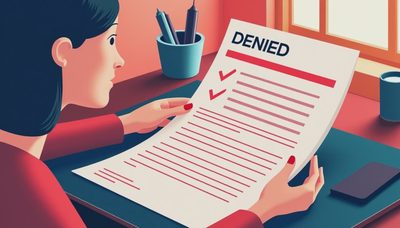
When a storm damages your roof, siding, windows, or gutters, the insurance claim process can feel unfamiliar and frustrating. An example of an unfair claims settlement practice is delaying a valid claim without a reasonable explanation. Other warning signs include ignoring evidence, offering far less than the documented repair cost, or refusing to explain how the insurer calculated its payment. Understanding these practices helps you respond before a manageable property loss becomes a larger financial problem.
What unfair claims settlement practices look like
Insurance companies have a duty to investigate claims reasonably and communicate with policyholders. Exact requirements differ by state, but a carrier generally should acknowledge a claim, review relevant information, and make a timely decision based on the policy and available evidence. A claim does not have to be approved in full, but the process should be consistent and understandable.
An example of an unfair claims settlement practice is asking for the same documents repeatedly after you have already provided them. A related problem occurs when an adjuster stops responding while water continues entering through a damaged roof. Delays can be especially serious after hail or wind damage because exposed decking, insulation, drywall, and framing may deteriorate with every storm.
Other potential warning signs include changing the reason for a denial, refusing to inspect visible damage, making a payment without identifying covered repairs, or pressuring you to accept a release before you understand the settlement. An insurer can request photographs, estimates, receipts, and maintenance records, but those requests should have a clear connection to the claim.
How low estimates can create a settlement problem
A low estimate is not automatically bad faith or an unfair claims practice. Construction prices vary, and an adjuster may identify a less expensive repair that is permitted by the policy. The concern grows when the estimate leaves out necessary work, uses unrealistic pricing, or ignores matching and code-related requirements that apply to the repair.
For example, a $9,500 roofing estimate might include shingles but omit drip edge, starter materials, flashing, ventilation, disposal, permit costs, and labor required to protect landscaping. A contractor’s inspection could show that the actual scope is closer to $15,000. That difference deserves a written explanation rather than a quick instruction to “use the preferred vendor.”
An example of an unfair claims settlement practice is comparing your damaged roof with a partial patch when the documented damage requires replacement of an entire slope or roof section. Keep the insurer’s estimate, your contractor’s line-item proposal, photographs, weather information, and every email in one file. A clear record makes it easier to identify exactly where the scopes differ.
What to do after a delayed or underpaid claim
Start by preventing additional damage, but do not make permanent repairs before documenting the condition unless immediate safety requires it. Use wide photographs to show the property and close photographs to show lifted shingles, dented metal, cracked siding, broken window seals, stained ceilings, or bent gutters. Photograph temporary tarps, buckets, and interior damage as well.
Then notify the carrier through the claim channel listed in your policy. Ask for a claim number, adjuster name, inspection date, and written explanation of any missing information. Keep a dated communication log. Record phone calls with the time, representative’s name, and summary; recording laws vary by state, so do not secretly record a call without understanding local rules.
Request a complete copy of the estimate and ask which policy provisions support any denial or limitation. If the carrier says damage is excluded because of wear and tear, ask it to identify the evidence separating old wear from recent wind or hail damage. If you disagree, provide a focused response instead of sending a large, unorganized file.
Building stronger evidence for a storm claim
A restoration contractor can help document physical damage, but the contractor does not decide coverage. Ask for a proposal that separates labor, materials, quantities, disposal, protection, permits, and repairs to related systems. A reputable company should not promise that insurance will pay a particular amount or ask you to inflate an estimate.
Before signing a contract, confirm the company’s legal business name, local contact information, license requirements where applicable, and proof of liability and workers’ compensation coverage. Never sign an assignment or authorization you do not understand. Some agreements transfer rights or create payment obligations even if the insurer disputes the claim.
An example of an unfair claims settlement practice is ignoring credible contractor documentation simply because it was not produced by the insurer’s preferred network. You can ask the adjuster to review the estimate line by line and identify which items are disputed. A second inspection may be useful, particularly when damage was hidden under shingles, siding, trim, or interior finishes.
When to escalate a claim dispute
A calm written escalation is often the best next step. Summarize the loss date, reported damage, inspection dates, documents submitted, payment received, and unresolved items. State what you are requesting, such as a reinspection, explanation of a denial, or review of omitted labor and materials. Give a reasonable response deadline consistent with applicable state rules and your policy communications.
If the issue continues, contact your state department of insurance for consumer assistance or complaint procedures. You can also consult a licensed public adjuster or an attorney who handles property insurance disputes. A public adjuster typically represents the policyholder in preparing and presenting a claim, while an attorney can explain legal rights and evaluate possible litigation. Compare fees and services before signing.
An example of an unfair claims settlement practice is offering a settlement that does not reasonably reflect the covered loss while implying that no review or appeal is available. You do not have to accept a payment as full resolution merely because a check arrives, but depositing a check or signing a release can affect your options. Read all accompanying documents carefully.
A practical homeowner checklist
Save the policy, declarations page, claim correspondence, photographs, estimates, invoices, receipts, and repair contracts together. Mark each document with the date received or submitted. Separate emergency mitigation costs from permanent reconstruction costs, and keep receipts for both. Do not discard damaged materials until the insurer or adjuster has had a fair opportunity to inspect them, unless they create a health or safety hazard.
Watch the calendar. Policies often contain deadlines for notice, proof of loss, appraisal, or legal action. Do not assume that a contractor’s deadline replaces a policy deadline. Also be cautious when someone demands cash, pressures you to sign immediately, or offers to waive your deductible. Those tactics can create additional problems and should not be part of a legitimate repair plan.
The strongest claim is organized, documented, and based on the actual damage. An example of an unfair claims settlement practice is easier to challenge when you can show the timeline, the policy language, the insurer’s estimate, and the cost of necessary repairs. If a storm has damaged your home, document conditions promptly and obtain a detailed restoration assessment before agreeing to a final settlement.