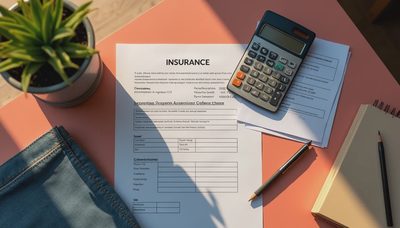
A commercial tornado damage insurance claim can become confusing within hours of a storm. Wind-driven rain may enter through a damaged roof, broken windows can expose inventory, and emergency repairs may start before you understand what the policy covers. The first priorities are safety, documentation, and preventing additional damage without destroying evidence.
Commercial property policies often cover wind damage from a tornado, but the exact protection depends on covered causes of loss, exclusions, deductibles, limits, valuation terms, and endorsements. Business interruption, equipment, signage, fencing, and debris removal can have separate requirements. Treat the claim as a project with a clear paper trail rather than an informal repair conversation.
Make the Property Safe and Preserve Evidence
Do not send employees into unstable areas or climb a damaged roof after a tornado. Ask emergency responders or a qualified contractor to address immediate hazards such as exposed wiring, hanging metal, broken glass, and structural movement. If the building is unsafe, keep people out and document the restricted areas from a safe location.
Before cleanup, photograph and record the property from wide angles and close views. Capture roof sections, parapets, HVAC units, skylights, windows, doors, siding, gutters, interior ceilings, stock, machinery, computers, and signs. Take video while walking through the building, but avoid moving damaged items unless they create a safety or security risk. Photograph serial numbers, model labels, and inventory records where possible.
Protect the premises with temporary measures. A contractor might install tarps, board windows, remove loose debris, or place temporary fencing. Keep receipts, invoices, time records, and photographs of every emergency measure. These costs can be relevant to the claim, but authorization rules differ, so notify the insurer promptly and ask how emergency work should be handled.
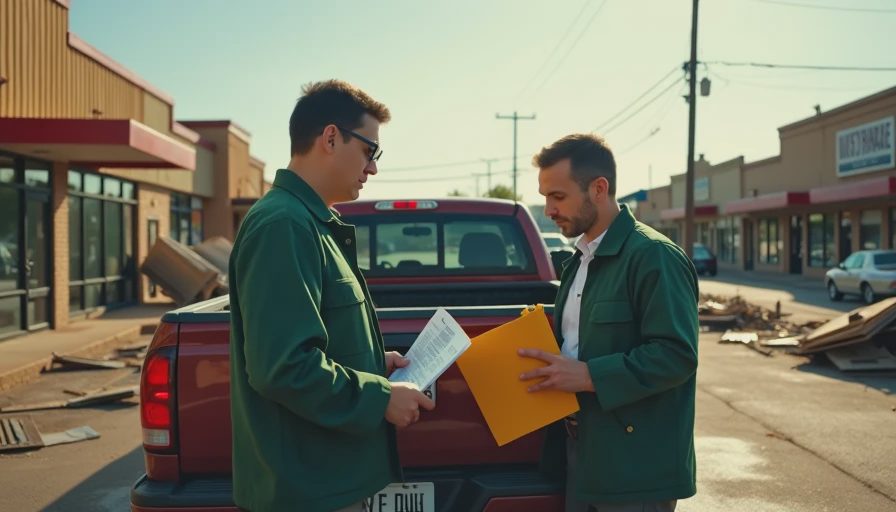
If water is entering, place containers under active leaks and move undamaged inventory to a dry, secure area. Do not discard damaged merchandise, insulation, equipment, or building materials until the adjuster has inspected them or confirms that disposal is acceptable. Create a damaged-property list with descriptions, purchase dates, estimated values, and photographs.
Report the Commercial Tornado Damage Insurance Claim Promptly
Contact the insurer, agent, or claims department as soon as practical. When reporting a commercial tornado damage insurance claim, provide the date and approximate time of the storm, the business address, visible damage, current safety concerns, and whether operations have stopped. Request a claim number, adjuster contact information, inspection timing, and instructions for emergency repairs.
Read the policy's notice requirements and do not rely only on a voicemail. Follow up by email so the report is documented. Ask whether the policy includes replacement cost or actual cash value for each category of property. Replacement cost generally addresses the cost to repair or replace covered property without depreciation after policy conditions are met. Actual cash value generally reflects depreciation, age, and condition.
Ask specific questions about wind deductibles, roof payment terms, ordinance or law coverage, debris removal, equipment breakdown, business personal property, and business income coverage. A roof with a high wind deductible can produce a very different payment than a building with a flat property deductible. Understanding that difference early helps the owner plan cash flow and avoid signing a repair contract based on an unrealistic assumption.
Document Business Income and Extra Expenses
A closed storefront is only one type of business loss. A manufacturer may lose production because a roof leak damaged electrical controls. A restaurant may need temporary refrigeration or alternate food storage. An office may pay for temporary space, equipment rental, expedited shipping, or extra labor while repairs are underway.
Gather profit-and-loss statements, sales records, payroll information, tax documents, lease provisions, utility bills, appointment calendars, and prior-year comparisons. Separate ordinary expenses from added costs caused by the tornado. Keep a daily timeline showing when the business closed, when partial operations resumed, what areas remained unavailable, and which customers or orders were affected.
Business income coverage often has a waiting period, a coverage limit, and a defined restoration period. The policy may require the owner to reduce the loss where reasonably possible, such as operating from an undamaged portion of the building. Do not make unsupported projections. A clear comparison between expected revenue and actual results is more useful than a round estimate.
Get a Thorough Building Damage Assessment
A quick visual inspection is not always enough. Tornado debris can conceal lifted shingles, punctured membranes, bent flashing, cracked masonry, damaged roof decking, displaced insulation, and compromised fasteners. Windows may appear intact while frames or seals have failed. Water staining can spread beyond the original entry point.
Use a qualified roofing or restoration contractor who can inspect the relevant systems and provide photographs, measurements, material specifications, and a written scope. The estimate should identify quantities rather than simply state “roof repair.” It should distinguish emergency work, covered repair work, code-related upgrades, and optional improvements.
A restoration company may help document damage and coordinate tarping, drying, roofing, siding, gutter, and window work. That practical support is valuable, but the contractor does not decide whether the policy covers a loss. Coverage decisions belong to the insurer under the policy language. Compare the contractor's scope with the adjuster's estimate and ask for written explanations of differences.

Do not authorize hidden supplements casually. If opened walls reveal additional damage, photograph the discovery before demolition and submit an updated scope. A supplement should explain what was found, why it was not visible initially, the labor and materials required, and the supporting measurements.
Avoid Common Claim and Contract Mistakes
One frequent mistake is beginning permanent repairs before the insurer has an opportunity to inspect. Another is accepting a check as full settlement without understanding what it represents. An initial payment can be an advance, a partial undisputed amount, or a payment based on depreciated value. Read the accompanying letter before signing a release.
Be cautious with anyone promising to “get every dollar” without inspecting the property or reviewing the policy. Avoid large upfront payments, blank contracts, pressure to inflate damage, and agreements that transfer insurance benefits without clear legal advice. Ask for a certificate of insurance, references, a detailed scope, payment milestones, and warranty terms before hiring a contractor.
Maintain one claim folder containing the policy, claim number, correspondence, estimates, photographs, receipts, inspection reports, inventory lists, and business-income records. Name digital files by date and location, such as “September 12 east roof flashing.” This simple system can save hours when several vendors and adjusters are involved.
Move From Inspection to Repair
After the inspection, compare the approved scope with the actual condition and confirm which work requires additional approval. Obtain at least two detailed bids when timing and safety allow. Price alone should not control the choice: experience with commercial roofing, scheduling capacity, safety practices, warranty coverage, and documentation quality matter just as much.
For a commercial tornado damage insurance claim, establish a written sequence. Secure the building first, remove water, protect inventory, complete structural and roof repairs, restore windows and exterior systems, then address finishes and cosmetic work. Coordinate electrical, HVAC, drywall, flooring, and equipment repairs so one trade does not undo another's work.
Keep records through completion. Photograph concealed work before it is covered, save final invoices, collect lien waivers where appropriate, and note any unresolved damage. If the adjuster and contractor disagree, request a line-by-line explanation and provide new evidence instead of relying on verbal arguments.
The fastest path to a fair settlement is organized proof: prompt notice, safe temporary protection, detailed damage records, realistic business-loss calculations, and a scope that matches the property. If the claim becomes unusually complex or a coverage dispute develops, a licensed public adjuster or attorney can explain available options. Start documenting today, then use qualified professionals to turn storm damage into a controlled repair plan.