
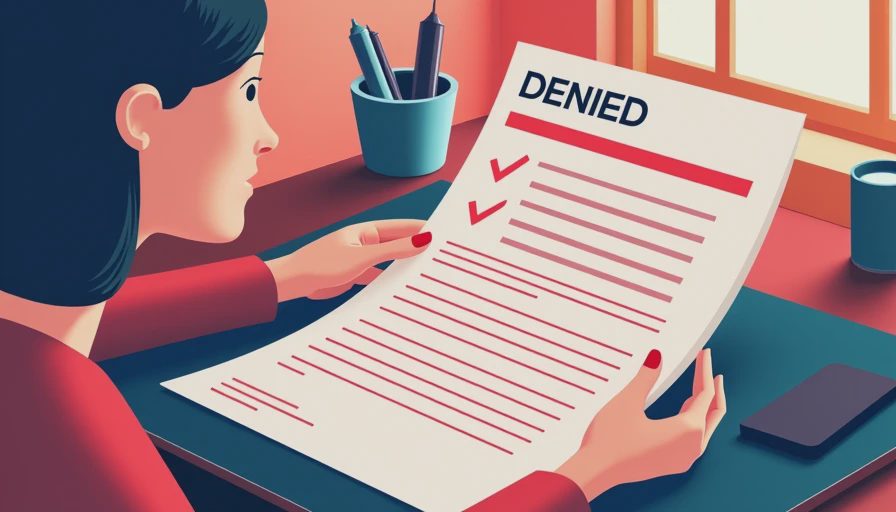
A denied homeowners claim can feel like a final answer, but it usually is not. If you are searching for how to appeal insurance claim denial, start by treating the decision as a documentable dispute rather than an argument with an adjuster. Wind, hail, roof, siding, window, and gutter claims are often denied because the insurer says damage came from wear, poor maintenance, installation problems, or an excluded cause. A clear appeal can challenge that conclusion with better evidence.
Read the denial letter before taking action
Your denial letter should identify the claimed reason for denial and cite relevant policy language. Read it slowly, then compare it with your policy's declarations page, exclusions, endorsements, and conditions. A denial based on cosmetic damage is different from one based on wear and tear, and both require different evidence.
Write down the date of loss, claim number, date of inspection, adjuster's name, and deadline for requesting reconsideration. Some insurers provide an internal appeal process, while others call it a reinspection, supplement, or written dispute. If the letter is vague, contact the claims department and ask for the exact provision supporting the decision. Keep the request professional and make it in writing so there is a record.
Do not begin major repairs before documenting the property unless emergency work is needed to prevent additional damage. Cover a leaking roof with a properly secured tarp, remove dangerous debris, and save receipts. Emergency mitigation is different from replacing the entire roof or siding system before the insurer has a chance to inspect it.
Build evidence that connects the storm to the damage
The strongest appeal explains what happened, when it happened, and why the observed condition is consistent with that event. Gather dated photographs and videos of roof shingles, flashing, vents, gutters, downspouts, siding, window screens, and interior water stains. Take wide images showing the property and close images showing individual impact marks, lifted shingles, cracks, dents, or displaced materials.
Weather records can help establish that a wind or hail event occurred near your address, but they do not prove every damaged item. A licensed roofing contractor or qualified restoration professional can inspect the property and prepare a written report identifying storm-related damage. Ask the contractor to separate fresh damage from preexisting wear and to explain the physical clues behind that conclusion.
Prior listing photographs, maintenance invoices, roof installation records, and receipts for earlier repairs can show the property's condition before the storm. For example, a roof photographed in May without missing shingles and inspected after a June windstorm presents a stronger timeline than an unsupported statement that the roof was damaged recently.
If the insurer's inspection missed steep roof slopes, attic moisture, detached flashing, or damage behind gutters, say so specifically. Broadly claiming that the adjuster was wrong is less persuasive than identifying the overlooked area and attaching photographs or an inspection report.
How to appeal insurance claim denial with a complete written package
A useful appeal letter is organized, factual, and tied to the policy. Begin with your name, property address, claim number, date of loss, and the decision you are challenging. State that you request reconsideration and a new inspection. Then summarize the storm event, list each damaged system, explain the evidence, and identify any policy coverage that supports the request.
Attach the denial letter, photographs, contractor report, weather documentation, repair estimates, receipts, and a copy of relevant policy pages. Label attachments clearly, such as “Exhibit A: Post-storm roof photographs” or “Exhibit B: Contractor inspection dated July 12.” Use a repair estimate that describes necessary work rather than simply presenting a large total. A $14,000 roof estimate is more useful when it explains quantities, materials, labor, code-related work, and why spot repairs would not restore the roof.
Send the package through the method stated in the policy or denial letter. Email can be fast, but certified mail or a claims portal upload can provide additional delivery records. Save the complete submission, including attachments and confirmation numbers. If you speak by phone, follow up with a short email confirming what was discussed.

Request a reinspection and compare estimates carefully
A reinspection gives the carrier an opportunity to review evidence that was unavailable or overlooked during the first visit. Ask whether a field adjuster, desk adjuster, engineer, or specialist will attend. Have your contractor present if possible, but avoid allowing anyone to damage materials or exaggerate conditions. The goal is a documented comparison, not a confrontation.
Compare the insurer's estimate with the contractor's estimate line by line. Look for omitted elevations, missing quantities, incorrect measurements, unavailable materials, underpaid labor, and necessary components such as drip edge, starter shingles, flashing, ventilation, paint, or gutter removal and replacement. Also check whether the insurer applied a deductible correctly and whether depreciation was withheld under the policy's actual cash value terms.
Do not sign an assignment of benefits, broad release, or contract promising payment before understanding it. Some contractors offer to handle the entire claim, but you remain responsible for truthful information and policy deadlines. A reputable restoration company should explain its scope, insurance documents, warranty, and payment terms without pressuring you to inflate damage.
Escalate when the internal review still fails
If the carrier upholds the denial, ask for a final written explanation and the complete claim file available to you. Depending on your state and policy, you can contact the state department of insurance, consult a licensed public adjuster, or speak with an attorney who handles property insurance disputes. These options have different costs and rules. A public adjuster typically helps document and present a claim, while an attorney can advise on contractual rights and litigation.
Escalation is stronger when your file is chronological. Keep the first notice of loss, inspection dates, recorded statements, denial letters, appeal package, reinspection findings, estimates, and all payment records in one folder. Avoid posting speculative accusations online or withholding relevant facts. Insurers investigate inconsistencies, and credibility matters even when the property damage is genuine.
Avoid common mistakes after a denial
Waiting too long is one of the costliest mistakes. Policies can impose deadlines for proof of loss, lawsuits, and notice of supplemental damage. Another mistake is repairing everything before photographs, measurements, and samples are collected. If work cannot wait, document the condition first and preserve removed materials when practical.
Do not assume a contractor's opinion automatically changes coverage. Contractors can describe physical damage and repair needs, but the policy determines whether the loss is covered. Likewise, do not accept a low settlement simply because it arrives quickly. Compare the scope, not just the dollar figure, and ask whether the payment is based on replacement cost, actual cash value, or a partial undisputed amount.
Move forward with a documented plan
Knowing how to appeal insurance claim denial helps you replace frustration with a sequence: read the decision, preserve the property, gather dated evidence, obtain a detailed inspection, submit a written appeal, request reinspection, and escalate when necessary. For wind and hail damage, a careful contractor can also help identify overlooked roofing, siding, window, and gutter issues before they become water damage.
Start today by photographing every affected area and creating a claim timeline. Then request the policy language and appeal instructions in writing. A complete, calm file gives the insurer something specific to reconsider and gives you a stronger foundation if outside help becomes necessary.