
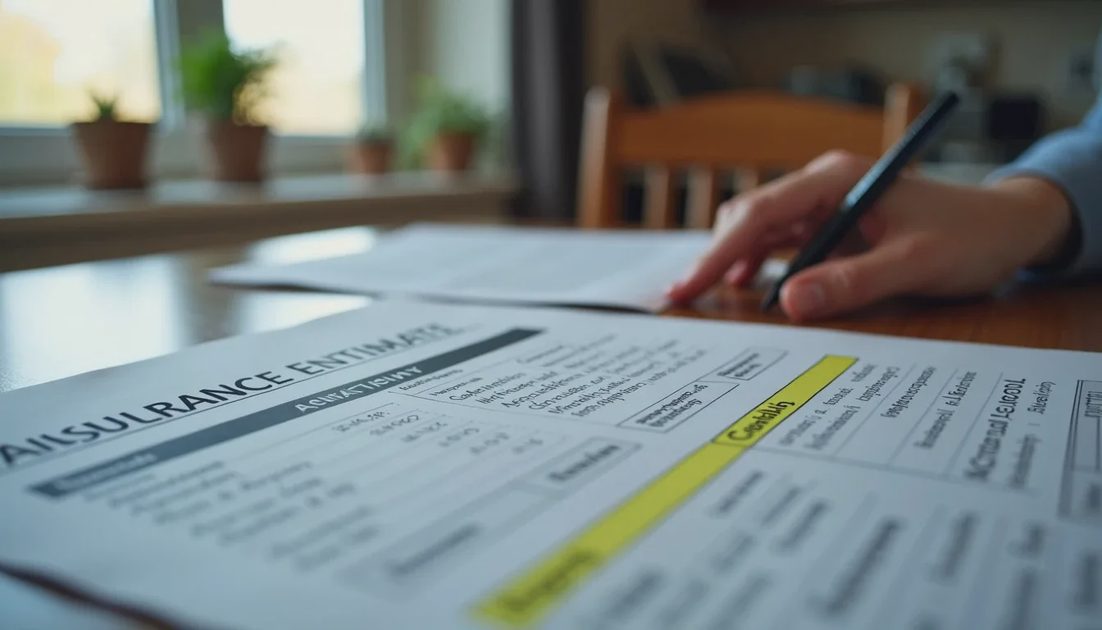
The adjuster leaves. A few days later the estimate arrives. Your contractor’s proposal is higher—sometimes by a few thousand dollars, sometimes by much more. The first reaction is frustration. The second should be methodical comparison.
The difference between the two numbers is rarely a simple disagreement over price. It is almost always a disagreement over scope, assumptions, and what is required to restore the roof to a durable, code-compliant condition. Insurance is obligated to pay for the cost of that restoration under the terms of the policy. It is not obligated to pay for the lowest possible number that still looks like a roof from the street.
Start by Mapping the Actual Differences
Do not argue about the total. Open both documents and line them up item by item.
Common Sources of the Gap
The adjuster’s estimate often assumes:
Limited or no deck replacement
Minimal underlayment or ice-and-water coverage
Reuse of existing flashing
Standard rather than code-required ventilation
No allowance for steep or complex roof geometry
The contractor’s proposal, if it is written properly, usually includes the full sequence required to leave a weather-tight system: complete tear-off, deck inspection and unit pricing for replacement, continuous underlayment, new drip edge and flashing at every penetration, proper ventilation, disposal, and the building permit. When those items are missing from the insurance estimate, the totals will not match.
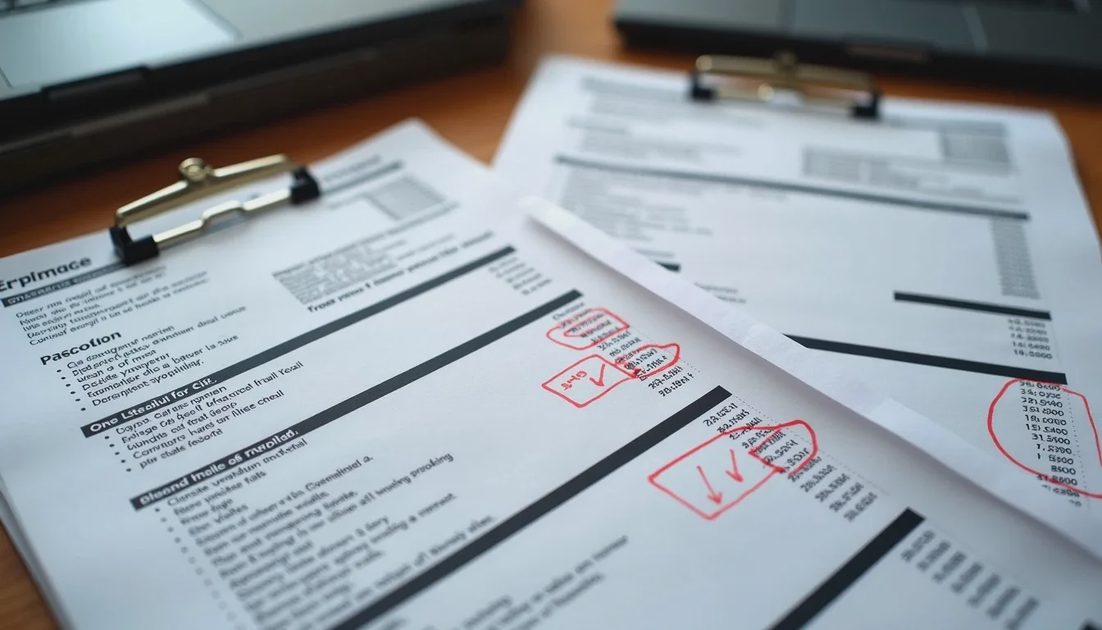
Write a simple side-by-side list. Note every line that appears in one document and not the other. Note differences in quantity, material grade, or labor assumptions. This list becomes the working agenda for the next conversation with the carrier.
Gather Evidence Before You Call
Carriers respond to documentation, not to general complaints that the number feels low.
What Strengthens the File
Photographs of the existing roof condition, especially any soft spots, prior leaks, or ventilation problems. Measurements that confirm roof area, pitch, and complexity. Manufacturer specifications for the materials required to match the existing system or to meet current code. Local code excerpts that require ice-and-water shield, drip edge, or specific fastening patterns. A clear statement from the contractor explaining why certain items are necessary for a complete restoration rather than a minimal patch.
If the roof has already been partially opened, document the condition of the deck immediately. Soft or delaminated plywood discovered after tear-off is one of the most common reasons an initial estimate understates the final cost. Timed and dated photos of that condition are difficult to dismiss.
How to Present the Difference
Contact the adjuster or claims representative with a concise package rather than a long argument.
A Practical Approach
State that you have compared the estimate to a detailed contractor proposal and have identified specific gaps. Attach the side-by-side list and the supporting photos or code references. Ask for a supplement or a re-inspection focused on the missing items. Keep the tone factual. The goal is to show that the original estimate does not restore the property to its pre-loss condition under the policy.
Many carriers will revise the estimate once the additional documentation is in the file. Some will schedule a second inspection. A smaller number of claims move into formal appraisal or further negotiation, but most gaps close when the missing scope is clearly demonstrated.
“The policy pays to restore the roof. It does not pay for the cheapest version of a roof that still sheds water for a season.”
That distinction is worth keeping in mind throughout the process.
What Not to Do
Do not authorize the contractor to begin full tear-off solely on the hope that the carrier will later catch up. Once the old roof is gone, leverage changes. Do not accept a vague promise that “we’ll work it out as we go.” Get revised numbers in writing before major work proceeds.
Do not assume the contractor’s higher number is automatically correct in every detail. A good contractor will be able to explain each difference and show why it is required. A less careful contractor may simply pad the proposal. The side-by-side comparison protects you in both directions.

When the Gap Remains Large
If the carrier stands by a significantly lower scope after you have submitted clear documentation, you still have options. Many policies contain an appraisal clause that allows each side to appoint an appraiser and, if needed, an umpire. Public adjusters can also be brought in on more complex claims. These steps add time and cost, so they are usually reserved for larger discrepancies after ordinary negotiation has been exhausted.
In the meantime, protect the property. Temporary measures that prevent further damage are almost always recoverable. Letting the roof continue to leak while the claim is disputed only creates additional problems.
Practical Path Forward
When the numbers do not match, slow down. Map the differences line by line. Collect the photographs, measurements, and code references that explain why the contractor’s scope is required. Present that package clearly and ask for a revised estimate or re-inspection. Most legitimate gaps close when the file contains specific evidence rather than a general sense that the payment is too low.
The adjuster’s first estimate is a starting point. Your contractor’s detailed proposal is a statement of what is actually required to finish the job correctly. The space between them is where documentation, not volume, decides the outcome.