
Searching for mold remediation near me usually means there is a moisture problem that cannot wait. A storm-damaged roof, leaking window, failed gutter, or flooded room can create the damp conditions mold needs to grow. The right response is not simply spraying a visible patch. You need to identify the water source, document the damage, remove contaminated material safely, and prevent the problem from returning.
For homeowners, timing matters for health, property protection, and insurance documentation. Start by taking clear photos and videos before disturbing the area. Photograph stained drywall, warped flooring, wet insulation, damaged trim, roof openings, broken siding, and any standing water. If a storm caused the leak, also photograph exterior damage from a safe location.
What mold remediation actually includes
Professional mold remediation is a process, not a single chemical treatment. A qualified contractor should begin with an inspection that traces moisture to its source. That could involve checking attic ventilation, roof flashing, window seals, plumbing lines, crawl spaces, gutters, and downspouts. If the contractor only points to the mold and never investigates the leak, the job is incomplete from the start.
The work may include containment, air filtration, removal of porous materials, cleaning of salvageable surfaces, drying, and repairs that stop new moisture from entering. Drywall, carpeting, insulation, and some wood products can be too damaged to clean effectively. Hard, nonporous surfaces often can be cleaned, but the method depends on the material and the extent of contamination.
A company offering mold remediation near me should explain its plan in writing. Ask what areas will be sealed, what equipment will be used, how debris will be handled, and how the contractor will verify that the space is dry. You should also receive a written estimate separating emergency drying, demolition, cleaning, reconstruction, and any testing.
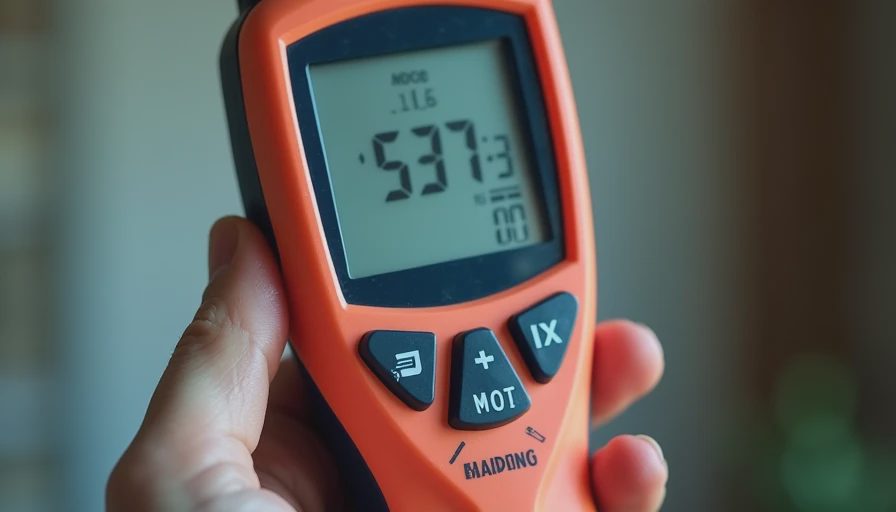
How storm damage creates mold risk
Wind and hail damage do not always look like a mold problem on the first day. Hail can crack roofing materials, while high winds can lift shingles, loosen flashing, or push rain through siding and window openings. Water may enter an attic or wall cavity and remain hidden behind insulation or drywall. By the time a musty smell appears, the moisture may have affected a larger area than the original exterior damage suggests.
Gutters and downspouts also matter. A detached gutter can send repeated runoff against siding or a foundation. Clogged gutters can push water behind fascia boards and into attic edges. When a storm is followed by warm weather, damp building materials can deteriorate quickly.
If you need mold remediation near me after a storm, arrange temporary protection first when it is safe. A tarp, temporary window covering, or emergency drying service can reduce additional damage. Do not climb onto a wet roof or enter an unsafe structure. Take exterior photographs from ground level and keep receipts for reasonable emergency measures.
Insurance documentation before cleanup
Insurance coverage for mold is highly dependent on the policy and the cause of the moisture. Mold connected to a sudden, covered event, such as certain storm or water losses, may be treated differently from mold caused by long-term seepage, poor maintenance, flooding, or unresolved humidity. Many policies also contain mold limits, exclusions, or special conditions.
Notify your insurer promptly when a covered loss may be involved, and ask what documentation is needed before major demolition. A claim representative may want photographs, an inspection, moisture readings, estimates, invoices, and proof of the original storm damage. Avoid making statements that assume the claim will be approved before the carrier completes its review.
A contractor should not promise that an insurer will pay the entire project. The contractor can describe observed damage and proposed work, but coverage decisions belong to the insurance company under the policy terms. If you are searching for mold remediation near me, choose a company willing to provide organized records rather than pressure you to sign an assignment immediately.
Keep a simple timeline. Record when the storm or leak occurred, when you discovered moisture, when you notified the insurer, when temporary work was completed, and when permanent repairs began. This timeline can help explain why drying, removal, and reconstruction were necessary.
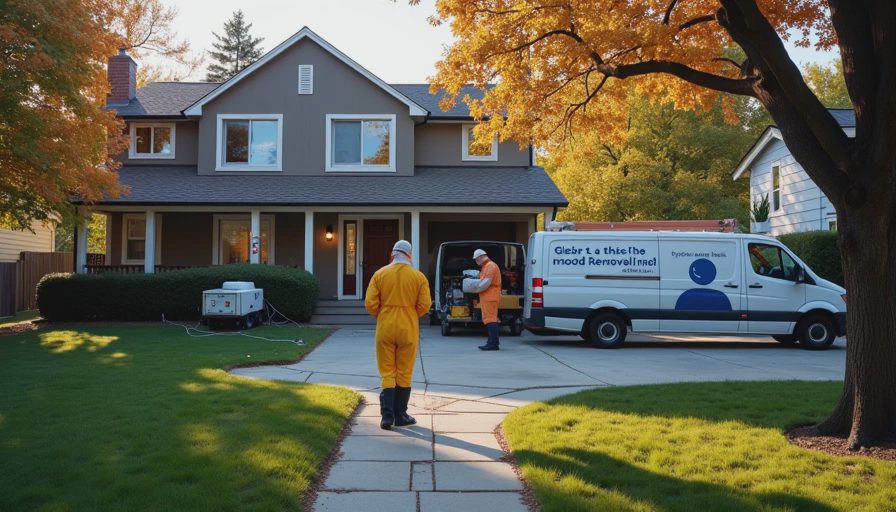
Questions to ask a remediation contractor
Before hiring a company, ask how it handles containment and whether its technicians have relevant training. Ask for proof of general liability insurance and workers compensation coverage. You can also request references for similar water or storm-related projects. A reputable contractor should be comfortable explaining its scope without using frightening language or guaranteeing an insurance result.
The proposal should identify the affected rooms, materials to be removed, cleaning methods, equipment charges, labor, disposal, and reconstruction responsibilities. Look for vague phrases such as “treat all mold” without a defined area. Ask whether testing is recommended and why. Testing is not always necessary to begin drying and removing visibly damaged materials, but it can be useful in certain disputed or complicated situations.
Be cautious when a company offers a large discount only if you sign immediately, demands full payment upfront, or discourages you from contacting your insurer. Search results for mold remediation near me can include specialists, general contractors, and lead-generation listings. Verify the actual business name, physical contact information, license requirements where applicable, and the person responsible for the work.
Comparing repair estimates after removal
Mold cleanup often reveals related storm damage. Removing wet drywall may expose damaged insulation, framing, electrical components, or window framing. A low initial estimate is not automatically a bargain if it excludes reconstruction or ignores the source of the leak.
Compare estimates by scope rather than total price alone. One proposal might include containment, HEPA filtration, disposal, drying, and drywall replacement. Another might include only surface cleaning. Ask each contractor to separate emergency services from permanent repairs so you can see what you are paying for and share consistent information with your insurance carrier.
For example, a small affected room might involve several hundred dollars for inspection and drying, while extensive attic or wall-cavity work can reach several thousand dollars before roofing, siding, or interior reconstruction. The final cost depends on access, material damage, contamination area, and how quickly the source is controlled.
Preventing a second mold problem
The best mold remediation near me result is one that stays fixed after the crew leaves. Repair the roof opening, reseal the window, redirect the downspout, or correct the plumbing leak. Replacing stained drywall without correcting the moisture source simply hides the problem temporarily.
After repairs, watch humidity and ventilation in areas that previously stayed damp. Use bathroom exhaust fans, keep gutters clear, and inspect attic insulation after severe weather. A dehumidifier can help in a basement, but it is not a substitute for exterior waterproofing or a plumbing repair.
Before closing the project, request final photographs, moisture documentation, invoices, disposal records, and any warranty information. Confirm who handles reconstruction if the remediation company stops after demolition. When you search mold remediation near me again, you should be comparing documented processes, careful workmanship, and clear communication—not just the lowest advertised price.
If storm damage is involved, contact your insurer, preserve evidence, and get qualified help before hidden moisture becomes a larger structural repair. A calm, documented process gives you the strongest foundation for both a safe home and a properly presented claim.